

Application and Efficiency Improvement of AI Technology in Medical Device CDMO Production
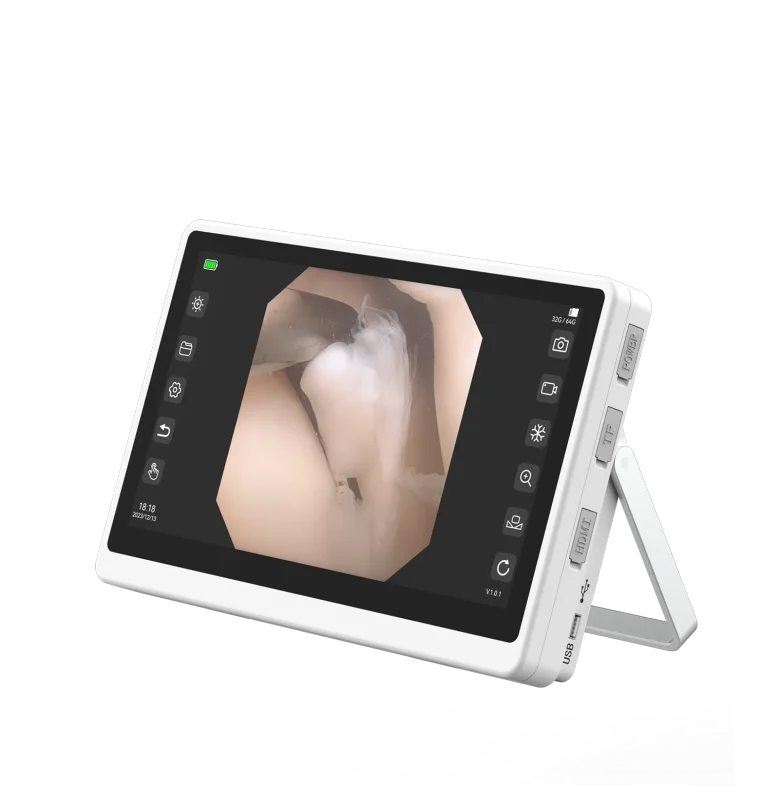
The integration of artificial intelligence (AI) into medical device CDMO (Contract Development and Manufacturing Organization) production is reshaping how modern healthcare products are designed, manufactured, and delivered. By combining data-driven intelligence with advanced manufacturing systems, AI is significantly improving production efficiency, product quality, and market responsiveness.
As the medical device industry becomes increasingly competitive and regulated, AI is no longer a supplementary tool—it is becoming a core driver of industrial transformation.
1. AI-Driven Optimization of Design and Production
One of the most impactful applications of AI in CDMO environments is in design optimization and production process improvement.
Through machine learning algorithms, AI systems can analyze large datasets related to:
- Device geometry
- Material performance
- Mechanical stress behavior
- Historical production outcomes
This enables engineers to optimize product structures before physical prototyping begins.
Key benefits include:
- More efficient product design cycles
- Reduced material waste
- Improved ergonomic and functional design
- Lower downtime in production transitions
AI can also support demand forecasting and inventory optimization, helping manufacturers streamline production scheduling and reduce inefficiencies in assembly workflows.
2. Enhanced Quality Control and Assurance
Quality assurance is a critical requirement in medical device manufacturing. AI enhances this process through real-time monitoring and intelligent defect detection.
AI-based inspection systems can:
- Detect microscopic defects that may be missed by manual inspection
- Analyze production data in real time
- Automatically flag deviations from quality standards
- Reduce reliance on manual quality checks
In addition, predictive maintenance models powered by AI can identify early signs of equipment degradation, helping manufacturers:
- Prevent unexpected machine failures
- Reduce production downtime
- Lower long-term maintenance costs
This ensures consistent compliance with strict medical device regulatory requirements.
3. Accelerating R&D and Time-to-Market
AI plays a major role in reducing research and development cycles in medical device CDMO operations.
By simulating experimental outcomes and analyzing historical data, AI systems can:
- Predict material and design performance
- Optimize compound and component selection
- Reduce reliance on physical prototyping
- Accelerate validation processes
In pharmaceutical and biomedical applications, AI can also assist in identifying promising formulations and improving trial efficiency.
As a result, manufacturers can bring products to market faster while maintaining scientific and regulatory rigor.
4. Supply Chain Optimization and Cost Control
Efficient supply chain management is essential in CDMO operations. AI enhances this area through real-time data analysis and predictive modeling.
AI systems can:
- Monitor production and logistics in real time
- Identify inefficiencies in supply chain operations
- Improve inventory forecasting accuracy
- Reduce material waste and overstocking
By standardizing operational patterns and detecting anomalies early, AI contributes to more stable and cost-efficient manufacturing workflows.
5. Personalized Medicine and Product Innovation
AI is also driving innovation in personalized healthcare solutions and advanced product development.
By analyzing patient data and biological information, AI enables:
- Customized medical device solutions for individual patient needs
- Personalized treatment planning support
- Enhanced compatibility between devices and biological systems
In advanced biomedical research, AI-driven tools (such as generative design systems) are helping optimize:
- Biomaterial structures
- Protein interactions
- Device biocompatibility performance
This is accelerating innovation in next-generation medical devices.
6. Challenges and Future Development
Despite its advantages, AI adoption in medical device CDMO manufacturing still faces several challenges:
- Data security and patient privacy concerns
- Regulatory compliance complexity
- Lack of specialized AI-skilled workforce
- Integration with legacy manufacturing systems
However, as technology matures and industry standards evolve, these challenges are expected to gradually decrease.
In the future, AI is likely to become deeply integrated into every stage of CDMO operations, from design to production to distribution.
Conclusion
The application of AI technology in medical device CDMO manufacturing is fundamentally transforming the industry. By improving design efficiency, enhancing quality control, accelerating R&D, optimizing supply chains, and enabling personalized solutions, AI is delivering measurable improvements across the entire production lifecycle.
While challenges remain, the direction is clear: AI will continue to drive the medical device CDMO sector toward higher efficiency, greater intelligence, and stronger global competitiveness.
Ultimately, AI is not just improving manufacturing—it is redefining how medical devices are conceived, developed, and delivered.

 English
 Arabic
 French
 Spanish
 Portuguese
 Deutsch
 Dutch
Dutch
 Italiano
 Russian
 Romaian
 Portuguese (Brazil)
 Greek
Greek
 简体中文
简体中文
 日本語
日本語
 한국어
한국어
 繁体中文
繁体中文