

Building Door Industry Leadership Through Overlooked Skills | Haibo
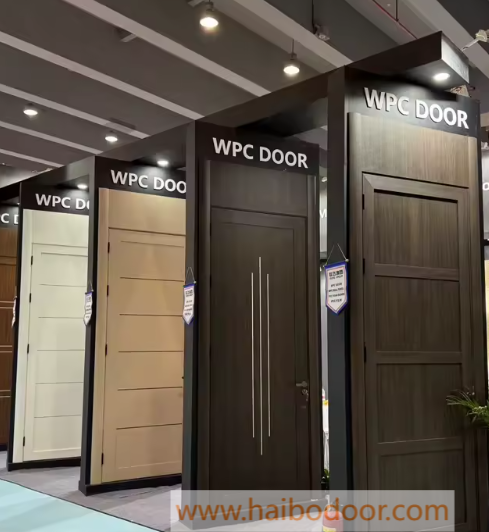
In today's competitive building materials market, standing out takes more than advanced machinery or scale alone. From a WPC Door Factory to a finished product reaching international markets, real growth often depends on skills that don't always make headlines but quietly shape results. These underrated capabilities are especially relevant for professionals and manufacturers aiming to build sustainable influence in the door industry.
1. Material Sensitivity Beyond Specifications
Understanding materials at a practical level goes beyond reading technical sheets. Skilled professionals notice how humidity, temperature, and regional climate subtly affect door performance over time. This sensitivity helps reduce after-sales issues and improves long-term reliability, especially for composite and WPC products.
2. Process Awareness Across Departments
Success in the door sector often comes from seeing the full production chain rather than working in silos. When design, production, quality control, and logistics are aligned, inefficiencies shrink. People who understand upstream and downstream impacts tend to make decisions that benefit the entire operation, not just their own role.
3. Communication With Non-Technical Stakeholders
Explaining door structures, finishes, or performance standards in plain language is a rare but powerful skill. Whether speaking with distributors, architects, or end customers, clear communication builds trust and prevents misunderstandings that can damage long-term partnerships.
4. Patience in Product Optimization
Door manufacturing rewards patience more than speed. Subtle adjustments in formulations, surface treatments, or structural reinforcement often require multiple iterations. Professionals who can stay focused through long testing cycles are more likely to deliver products that perform consistently in real-world use.
5. Market Listening Rather Than Market Chasing
Trends come and go quickly, but listening to actual customer feedback reveals deeper demand patterns. Underrated performers pay attention to installation challenges, maintenance concerns, and regional preferences, then refine products accordingly instead of blindly following short-term market noise.
6. Risk Awareness in Customization
Customization is a growth driver, but it carries hidden risks. Knowing when to say no—or how to set clear boundaries on custom requests—protects production stability and quality standards. This skill helps balance flexibility with operational discipline.
7. Long-Term Quality Thinking
In the door industry, quality is not just about passing inspections. It's about imagining how a door will look and function years after installation. Professionals who think this way naturally prioritize structural integrity, surface durability, and compatibility with different environments.
8. Quiet Leadership on the Factory Floor
Leadership doesn't always come with a title. Individuals who calmly guide teams during production challenges, share experience, and prevent small issues from escalating often have the biggest impact. This quiet leadership creates consistency and confidence throughout the operation.
In a field where products are tangible and competition is intense, these understated skills often separate short-term growth from lasting success. Brands like Haibo: https://www.haibodoor.com/product/melamine-laminated-doors/ continue to value such capabilities, recognizing that real industry leadership is built as much on mindset and discipline as on products themselves.

 English
 Arabic
 French
 Spanish
 Portuguese
 Deutsch
 Turkish
 Dutch
Dutch
 Italiano
 Russian
 Romaian
 Portuguese (Brazil)
 Greek
Greek
 日本語
日本語
 한국어
한국어
 繁体中文
繁体中文