

The Secret to Enhancing Product Quality: The Advantages of Precision Forging Tooling
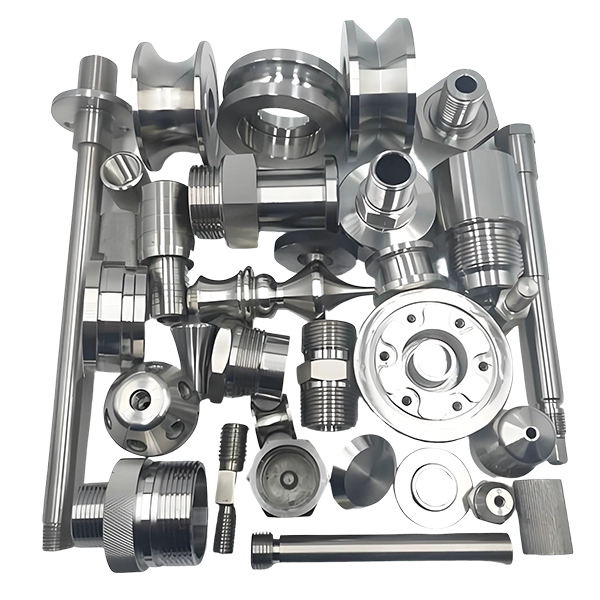
In today’s advanced manufacturing landscape, precision forging tooling has become a key driver of product quality, efficiency, and reliability. Unlike traditional forming methods, precision forging focuses on near-net-shape production—reducing machining allowances while delivering consistent dimensional accuracy and superior structural integrity.
As industries such as automotive, aerospace, and heavy machinery push for higher performance and tighter tolerances, the demand for advanced forging tooling continues to grow. Leading manufacturers like Hongli Technology are responding with engineered solutions designed for durability, precision, and optimized production workflows.
What Is Precision Forging Tooling?
Precision forging tooling refers to the specialized dies, molds, and supporting components used in controlled metal forming processes. These tools are built to operate under extreme conditions, including:
- High forming pressures
- Elevated temperatures
- Repeated mechanical stress cycles
Common tooling components include:
- Closed-die forging molds
- Punches and mandrels
- Trimming and calibration dies
- Preforming tools
Together, these elements enable the efficient production of complex parts with minimal need for secondary machining.
Key Engineering Factors Behind High-Quality Tooling
1. Material Selection and Metallurgical Strength
The foundation of any high-performance forging tool lies in its material. Tool steels such as H13 and other advanced alloys are widely used due to their:
- Excellent resistance to thermal fatigue
- Ability to retain hardness at high temperatures
- Strong wear resistance under repeated use
Manufacturers like Hongli Technology further enhance performance through optimized heat treatment processes, including vacuum hardening and tempering, ensuring long-term stability and durability.
2. Die Design for Near-Net-Shape Production
Precision die design is essential for minimizing defects and maximizing efficiency. Modern engineering focuses on:
- CAE-based material flow simulation
- Flash reduction strategies
- Even stress distribution within the die cavity
With advanced CAD/CAM technologies, engineers can create highly accurate die geometries, reducing common forging defects such as folds, laps, and underfills.
3. Surface Engineering and Coatings
Surface wear is one of the main causes of tooling failure. To address this, advanced surface treatments are applied, including:
- Nitriding for enhanced surface hardness
- PVD coatings to reduce friction and wear
- Treatments that improve durability without sacrificing toughness
These technologies not only extend tool life but also improve consistency in high-volume production.
4. Precision Machining and Tolerance Control
Meeting modern manufacturing standards requires extremely tight tolerances. This is achieved through:
- High-speed CNC machining
- Electrical Discharge Machining (EDM) for complex geometries
- Real-time inspection and metrology systems
Such precision ensures that each forged component meets strict dimensional requirements.
Why Precision Forging Tooling Matters
Lower Machining Costs
Near-net-shape production significantly reduces the need for post-processing. This leads to:
- Less material waste
- Shorter production cycles
- Overall cost savings
Improved Mechanical Properties
Forged components benefit from enhanced internal structures, offering:
- Refined grain flow
- Higher fatigue strength
- Better impact resistance
Consistency in Mass Production
High-quality tooling ensures:
- Repeatable results across large batches
- Stable product quality
- Reduced defect rates
Sustainability Benefits
Modern precision forging processes contribute to more sustainable manufacturing by:
- Reducing energy consumption
- Minimizing scrap material
- Lowering environmental impact
Key Application Areas
Precision forging tooling plays a vital role across multiple industries:
Automotive
- Transmission gears
- Crankshafts
- Connecting rods
Aerospace
- Turbine components
- Structural brackets
- High-strength fasteners
Industrial Machinery
- Hydraulic system components
- Heavy-duty shafts
- Wear-resistant parts
Hongli Technology delivers customized tooling solutions tailored to these demanding applications, ensuring reliable performance even under extreme conditions.
Choosing the Right Tooling Partner
Selecting a precision forging tooling supplier is a strategic decision that directly impacts production efficiency and product quality.
Engineering Expertise
Look for capabilities in:
- Simulation-driven design
- Advanced machining technologies
- Custom tooling development
Quality Assurance
A reliable supplier should offer:
- ISO-compliant quality systems
- Non-destructive testing (NDT)
- Full material traceability
Lifecycle Support
Top-tier partners like Hongli Technology provide ongoing support, including:
- Tool maintenance and refurbishment
- Process optimization guidance
- Fast technical assistance
Final Thoughts
Precision forging tooling is no longer just a supporting element in manufacturing—it’s a critical factor in achieving high performance, efficiency, and competitiveness.
With continuous advancements in materials, design, and manufacturing technologies, the importance of high-quality tooling will only continue to grow. Partnering with an experienced provider like Hongli Technology ensures access to reliable, application-specific solutions that support long-term success.
Investing in precision forging tooling is, ultimately, an investment in manufacturing excellence.

 English
 Arabic
 Spanish
 Portuguese
 Deutsch
 Turkish
 Dutch
Dutch
 Italiano
 Russian
 Romaian
 Portuguese (Brazil)
 Greek
Greek
 简体中文
简体中文
 日本語
日本語
 한국어
한국어
 繁体中文
繁体中文