

The Hidden Backbone of Modern Electrical Networks: Low Voltage Transformers Explained
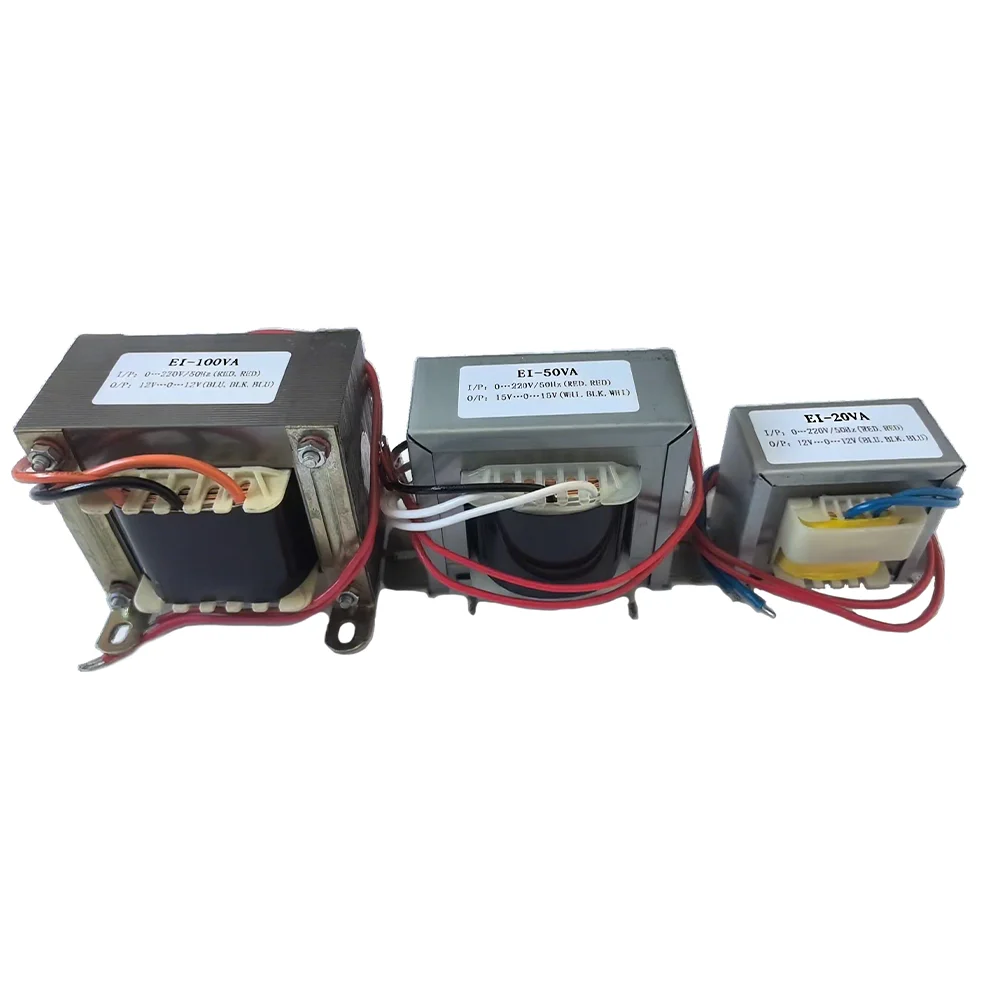
As industries continue to push toward automation, energy efficiency, and intelligent infrastructure, the importance of stable and safe power distribution has never been greater. At the center of these systems sits a component that often goes unnoticed but plays a critical role—low voltage transformers.
From factory automation lines to smart buildings and renewable energy systems, low voltage transformers (LVTs) ensure that electrical power is delivered safely, efficiently, and consistently. Manufacturers like Tianrui have focused on refining this technology, combining precision engineering with durable materials to meet the growing demand for high-reliability power solutions.
What Exactly Is a Low Voltage Transformer?
A low voltage transformer is designed to step down higher distribution voltages to a safer, usable level—typically below 1 kV. Beyond simple voltage conversion, these devices also provide electrical isolation, stabilize output, and protect downstream equipment.
You’ll typically see output ranges such as:
- 12V / 24V for lighting systems, security devices, and control circuits
- 48V / 110V / 220V for industrial panels and automation systems
- 400V / 690V for specialized machinery, especially in European or offshore setups
Modern designs prioritize not just functionality, but also efficiency, thermal stability, and resistance to overload conditions.
How Low Voltage Transformers Work (and Why Design Matters)
Core Materials and Electromagnetic Performance
At the heart of every transformer is electromagnetic induction. The quality of the core material directly affects energy loss and heat generation.
High-performance transformers typically use:
- CRGO silicon steel for stable magnetic properties
- Amorphous alloy cores for ultra-low energy loss
- Nanocrystalline materials in high-precision applications
Tianrui integrates advanced core materials to optimize magnetic flux, improving efficiency while keeping operating temperatures under control.
Winding Technology and Structural Integrity
The winding structure determines how well a transformer handles current, voltage stability, and fault conditions.
Key design approaches include:
- Copper or aluminum windings for strong conductivity
- Layered or foil winding to reduce eddy current losses
- Vacuum-pressure impregnation (VPI) to enhance insulation and mechanical strength
Tianrui’s VPI process ensures deep resin penetration, which improves insulation life and reduces vibration-related wear.
Thermal Management and Cooling
Heat is one of the main factors that limits transformer lifespan. Effective cooling design is essential.
Common methods include:
- Natural air cooling (AN / ANAN)
- Ventilated enclosures for indoor installations
- Built-in thermal sensors for real-time monitoring
A well-designed cooling system not only prevents overheating but also reduces maintenance frequency.
Key Performance Indicators to Look For
When selecting a low voltage transformer, several technical parameters should be evaluated:
Efficiency
Modern LVTs can exceed 95% efficiency, minimizing energy loss and operating costs.
Insulation Class
Typical insulation ratings include:
- Class B (130°C)
- Class F (155°C)
- Class H (180°C)
Tianrui commonly adopts Class F or higher, ensuring stable performance in demanding environments.
Impedance and Short-Circuit Strength
A balanced impedance design ensures voltage stability while maintaining the ability to withstand fault conditions.
Noise Levels
Transformer noise depends on core quality and structural design. Industrial models are engineered to meet strict acoustic standards.
Harmonic Resistance
With the rise of non-linear loads like VFDs and UPS systems, transformers must handle harmonic distortion without excessive heating or degradation.
Where Low Voltage Transformers Are Used
Industrial Automation
They power PLC systems, sensors, and conveyor lines—ensuring stable operation in automated production environments.
Smart Buildings
From HVAC systems to elevators and fire protection networks, LVTs provide reliable power for critical infrastructure.
Renewable Energy Systems
Solar inverters, battery storage, and microgrids rely on transformers for safe voltage conversion and system protection.
Manufacturing Equipment
CNC machines and heavy-duty equipment depend on consistent voltage to avoid performance fluctuations and damage.
What Makes Tianrui Transformers a Strong Choice?
Tianrui has built its reputation around reliability and engineering precision. Some key advantages include:
- High-quality materials that reduce loss and improve durability
- Comprehensive testing, including dielectric, impulse, and thermal performance checks
- Compliance with international standards such as IEC, UL, CE, and ISO 9001
- Flexible customization, covering voltage levels, frequency, enclosure types, and harmonic-resistant designs
This combination allows their transformers to perform reliably across a wide range of industrial and commercial applications.
Installation and Maintenance Tips
Even the best transformer design requires proper handling to achieve maximum lifespan:
- Ensure adequate ventilation and spacing
- Keep operating temperatures within specified limits
- Inspect terminals and insulation regularly
- Avoid prolonged overload conditions
- Monitor for unusual noise or heat patterns
- Use surge protection when connected to sensitive electronics
Good installation practices can significantly extend service life and reduce unexpected downtime.
Final Thoughts
Low voltage transformers may not always be visible, but they are essential to the stability and efficiency of modern electrical systems. Their performance depends heavily on design quality—from core materials and winding techniques to thermal management and testing standards.
Tianrui’s approach combines advanced engineering with practical reliability, delivering transformers that meet the evolving demands of industrial automation, smart infrastructure, and renewable energy systems.
For any organization aiming to improve power stability and system efficiency, choosing the right low voltage transformer is not just a technical decision—it’s a long-term investment in operational reliability.

 English
 Arabic
 French
 Spanish
 Portuguese
 Deutsch
 Turkish
 Dutch
Dutch
 Italiano
 Russian
 Romaian
 Greek
Greek
 简体中文
简体中文
 日本語
日本語
 한국어
한국어
 繁体中文
繁体中文