

Cobalt Blue Pigment: A Blue Miracle That Resists High-Temperature Sintering
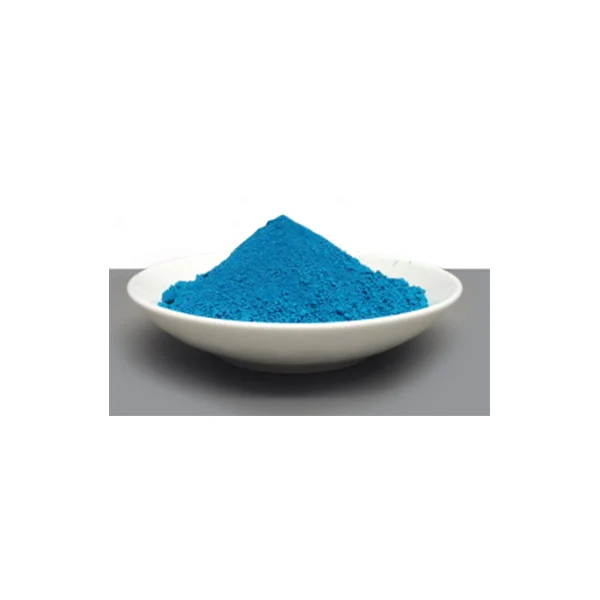
Cobalt blue pigment, with its distinctive and captivating hue, has fascinated artists, craftsmen, and scientists alike for centuries. Its rich, vibrant color and exceptional durability have made it a staple in the world of art and industry. This blue miracle not only stands out for its aesthetic appeal but also for its remarkable resistance to high-temperature sintering, a property that sets it apart from other pigments.
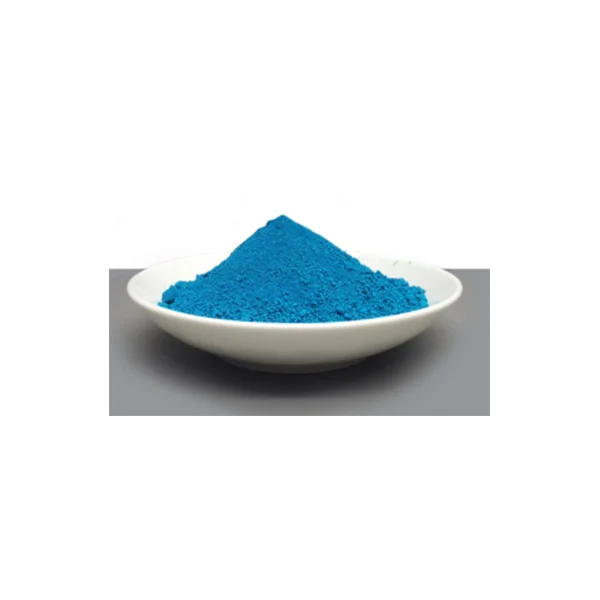
The Origin and Production of Cobalt Blue Pigment
Historical Context
The history of cobalt blue pigment dates back to ancient times, with early evidence of its use in pottery and glassware. However, it was not until the Middle Ages that cobalt blue gained widespread popularity, particularly in European ceramic production. The pigment's name is derived from the mineral cobaltite, from which it is primarily derived.
Modern Production Methods
Today, the production of cobalt blue pigment involves a complex series of chemical reactions. Cobalt oxide, along with other compounds such as alumina and silica, is subjected to high temperatures in a furnace. This process results in the formation of a crystalline structure that imparts the pigment its unique color and durability.
The Science Behind Cobalt Blue's Resistance to High-Temperature Sintering
Chemical Composition and Structure
Cobalt blue pigment's resistance to high-temperature sintering can be attributed to its specific chemical composition and crystalline structure. The pigment's stability under extreme heat is due to the strong bonds formed between cobalt ions and oxygen atoms within its lattice.
Physical Properties
In addition to its chemical stability, cobalt blue also exhibits excellent physical properties that contribute to its resistance to sintering. Its high melting point and low porosity make it well-suited for applications where high temperatures are involved, such as in the production of ceramic tiles and glassware.
Applications of Cobalt Blue Pigment in Various Industries
Art and Ceramics
In the art world, cobalt blue pigment is prized for its ability to retain its vivid color even after exposure to high temperatures during firing processes. This makes it ideal for use in ceramic glazes and porcelain, where its durability and aesthetic appeal are highly valued.
Glassware and Tile Manufacturing
The glass and tile industries also benefit greatly from cobalt blue pigment's resistance to sintering. The pigment's ability to withstand high temperatures ensures that the finished products retain their vibrant color and texture throughout the manufacturing process.
Paint and Coatings
In the paint and coatings industry, cobalt blue pigment is used to create durable and fade-resistant finishes. Its stability under various environmental conditions, including exposure to sunlight and UV rays, makes it an excellent choice for exterior applications.
The Environmental and Economic Impact of Cobalt Blue Pigment
Sustainability Concerns
While cobalt blue pigment offers numerous benefits in terms of durability and aesthetic appeal, its production can have environmental impacts. The mining and processing of cobalt ore can lead to soil and water contamination, as well as social issues related to labor conditions in mining regions.
Economic Considerations
The economic impact of cobalt blue pigment is significant, particularly in regions where cobalt mining and processing are major industries. The demand for cobalt blue pigment in various industries has driven the growth of related supply chains and created jobs in mining, manufacturing, and distribution.
Future Prospects and Innovations in Cobalt Blue Pigment Technology
Research and Development
Ongoing research and development efforts are focused on improving the production methods of cobalt blue pigment to make them more environmentally friendly and cost-effective. Innovations in synthetic chemistry and materials science hold promise for the development of new pigment formulations with enhanced properties.
Emerging Applications
As technology advances, the potential applications for cobalt blue pigment continue to expand. Its resistance to high temperatures and stable color properties make it a promising candidate for use in advanced materials such as high-temperature superconductors and energy storage systems.
Conclusion
Cobalt blue pigment, with its rich history, remarkable properties, and diverse applications, remains a blue miracle that continues to captivate and inspire. Its resistance to high-temperature sintering, combined with its aesthetic appeal and durability, make it a valuable asset in the art, ceramic, glass, paint, and coating industries. As research and technology progress, the future of cobalt blue pigment looks promising, with new innovations and applications on the horizon.
https://www.draycolor.com/a-blue-miracle-that-resists-high-temperature-sintering.html

 English
 Arabic
 French
 Spanish
 Portuguese
 Deutsch
 Turkish
 Dutch
Dutch
 Italiano
 Russian
 Romaian
 Portuguese (Brazil)
 Greek
Greek
 简体中文
简体中文
 日本語
日本語
 繁体中文
繁体中文