

Sustainable Luxury Textiles Powered by Pupa Protein Fiber Innovation
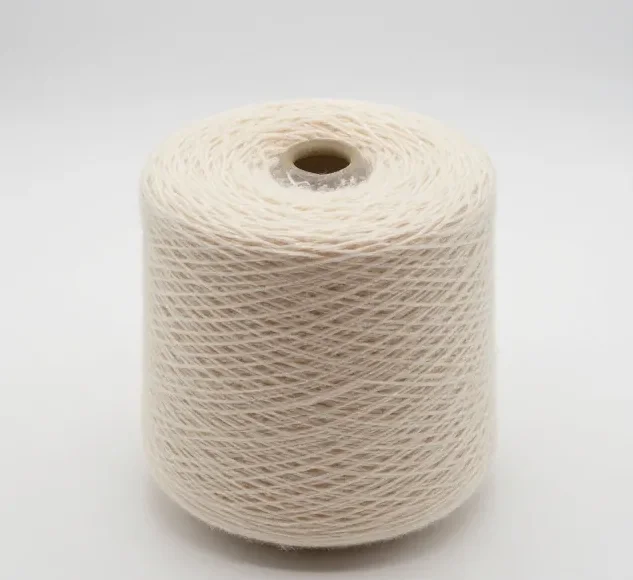
In recent years, the textile industry has moved far beyond traditional requirements such as durability and appearance. Modern consumers are paying increasing attention to comfort, sustainability, and skin-friendly functionality. As a result, bio-based textile materials are gaining more attention across both fashion and technical textile markets.
Among these emerging materials, pupa protein yarn has become an interesting innovation combining biotechnology with fiber engineering.
Developed from silkworm pupae protein and cellulose-based materials, this fiber introduces a new approach to functional textile manufacturing by combining natural protein activity with the structural stability of regenerated cellulose fibers.
What Is Pupa Protein Yarn?
Pupa protein yarn is a type of bio-functional composite fiber produced by integrating extracted silkworm pupa proteins into a cellulose spinning system.
Unlike conventional synthetic fibers, this material combines:
- natural protein functionality,
- cellulose fiber strength,
- and engineered fiber structure.
The result is a textile material that offers both comfort and functional performance for modern fabric applications.
Because the protein content remains active on the fiber surface, the yarn can provide a softer skin-contact experience compared with many traditional textile materials.
How Pupa Protein Yarn Is Manufactured
The production process involves several controlled technical stages to maintain both protein activity and fiber stability.
1. Protein Extraction from Silkworm Pupae
Silkworm pupae naturally contain proteins rich in amino acids. During manufacturing, these proteins are extracted carefully under controlled conditions to preserve their biological properties.
This stage is critical because protein stability directly influences the final fiber performance.
2. Preparation of the Protein Spinning Solution
After extraction, the proteins are processed into a stable spinning solution suitable for fiber production.
Maintaining proper viscosity and dispersion is important to ensure uniform blending during the spinning stage.
3. Blending with Cellulose Materials
The protein solution is then blended with cellulose-based polymers under controlled temperature and pressure conditions.
This creates a composite spinning system that combines:
- the softness of protein materials,
- and the mechanical stability of cellulose fibers.
4. Formation of the Core-Shell Fiber Structure
One of the most important technical characteristics of pupa protein yarn is its engineered core-shell structure.
Through specialized spinning technology:
- the cellulose material forms the internal fiber structure,
- while the protein layer remains distributed on the outer surface.
This design helps balance durability, softness, and bio-functional performance simultaneously.
Why Pupa Protein Yarn Feels Similar to Silk
One reason pupa protein yarn attracts attention in textile applications is its silk-like touch and appearance.
The fiber surface is fine and smooth, while the internal cellulose structure improves tensile strength and dimensional stability.
Compared with traditional regenerated fibers, this engineered structure offers:
- softer fabric hand feel,
- improved drape performance,
- smoother surface texture,
- and more comfortable skin contact.
For apparel manufacturers, these characteristics are especially valuable in products requiring direct skin contact.
Functional Advantages of Pupa Protein Yarn
Skin-Friendly Textile Performance
The protein layer on the fiber surface allows continuous skin interaction during wear.
This helps improve:
- softness,
- moisture comfort,
- and overall wearing experience.
Because of this characteristic, pupa protein yarn is increasingly discussed in the development of skin-care textiles and comfort-oriented apparel.
Improved Dyeing Performance
Compared with some conventional fibers, pupa protein yarn demonstrates strong dye affinity.
This allows:
- richer color expression,
- more uniform dye penetration,
- and improved color stability.
For textile manufacturers, improved dye utilization may also help reduce dye waste during production.
Soft Drape and Fabric Flow
The combination of protein softness and cellulose support gives fabrics a natural flowing appearance.
This characteristic is especially useful in:
- dresses,
- blouses,
- premium fashion fabrics,
- and lightweight home textiles.
Bio-Based and Sustainable Material Direction
As sustainability becomes increasingly important in the textile industry, bio-based fibers continue gaining market interest.
Pupa protein yarn supports this direction because it reduces dependence on petroleum-based synthetic materials while utilizing naturally derived protein resources.
Its biodegradable potential and renewable raw material origin also align with current sustainable textile development trends.
Typical Applications of Pupa Protein Yarn
Because of its comfort and functional characteristics, pupa protein yarn can be used in multiple textile sectors.
Fashion Apparel
Suitable for:
- premium dresses,
- shirts,
- lightweight outerwear,
- and luxury fabric collections.
Functional Clothing
The skin-friendly characteristics make it suitable for:
- base layers,
- innerwear,
- comfort-focused garments,
- and selected medical textile applications.
Home Textile Products
Its soft touch and elegant drape also support applications such as:
- bedding fabrics,
- pillow covers,
- soft furnishing materials,
- and decorative textile products.
ASIN and Bio-Functional Textile Innovation
As a textile material developer, ASIN focuses on combining biotechnology with modern fiber engineering to develop functional textile materials for future applications.
Its development work in pupa protein yarn includes:
- protein-cellulose composite technology,
- fiber surface engineering,
- stable spinning processes,
- and scalable textile material production.
Rather than simply developing another regenerated fiber, the goal is to create textile materials that improve both fabric functionality and wearing comfort.
For textile manufacturers exploring new bio-functional materials, pupa protein yarn offers an interesting direction that combines sustainability, comfort, and textile performance in a single fiber solution.
Conclusion
Pupa protein yarn reflects a broader shift taking place in the textile industry, where fabrics are evolving from passive materials into functional textile systems designed for comfort, skin interaction, and sustainability.
By combining silkworm-derived proteins with cellulose fiber technology, this material introduces a balance between natural bioactivity and engineered textile performance.
As demand continues growing for sustainable and comfort-oriented fabrics, bio-functional fibers such as pupa protein yarn are likely to play an increasingly important role in future textile development.
http://www.asinyarn.com/sustainable-luxury-textiles-powered-by-pupa-protein-fiber-innovation.html

 English
 Arabic
 French
 Spanish
 Deutsch
 Turkish
 Dutch
Dutch
 Italiano
 Russian
 Romaian
 Portuguese (Brazil)
 Greek
Greek
 简体中文
简体中文
 日本語
日本語
 한국어
한국어
 繁体中文
繁体中文