

The Strategic Role of Veterinary Vaccine Adjuvants in Modern Animal Health

The global livestock and companion animal industries continue to face mounting biological challenges—from emerging infectious diseases to antimicrobial resistance and intensified farming systems. These realities have accelerated the demand for safer, more potent, and more targeted vaccines. Within this context, veterinary vaccine adjuvants play a central role, serving as immunological amplifiers that enhance protective responses, extend vaccine lifespan, and reduce antigen consumption.
As countries strengthen their veterinary public health systems, adjuvant technologies have advanced rapidly, moving far beyond traditional aluminum formulations. Companies such as GC Biotech, actively involved in immunological research and veterinary bioproduct optimization, are contributing to the evolution of next-generation adjuvants designed for higher efficacy, biosafety, and species-specific compatibility.
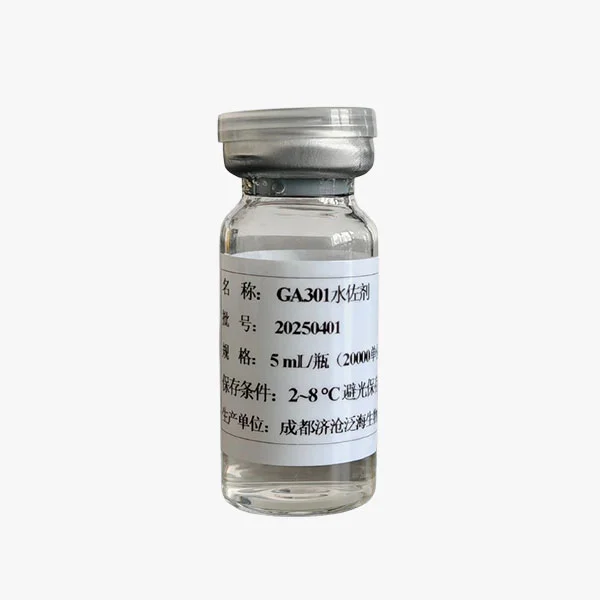
1. Why Veterinary Vaccine Adjuvants Matter More Than Ever
Adjuvants are non-antigenic components added to vaccines to optimize the immune response. They are indispensable for several reasons:
✔ Enhanced Immunogenicity
Many modern antigens—especially recombinant, subunit, and inactivated vaccines—are inherently weaker stimulators of the immune system. Adjuvants boost antigen recognition and improve antibody titers.
✔ Dose Sparing & Production Efficiency
By enabling lower antigen doses, adjuvants make vaccine manufacturing more cost-effective and scalable—critical for large-volume livestock vaccination programs.
✔ Improved Cellular Responses
Certain animal diseases require strong Th1 or cytotoxic T-cell responses. Advanced adjuvants help tailor immune pathways for optimal protection.
✔ Extended Immunity Duration
Adjuvants can create a depot effect, enabling slow antigen release and reducing the need for frequent booster doses—an important advantage for field operations.
✔ Enhanced Protection Against Variable Pathogens
For rapidly evolving viruses and bacteria, adjuvant-enhanced vaccines offer more reliable broad-spectrum immunity.
In short, veterinary vaccine adjuvants are no longer optional—they are strategic instruments supporting global animal health and food production systems.
2. The Main Categories of Veterinary Vaccine Adjuvants
Modern veterinary adjuvants fall into several key categories, each suited to specific disease types, species, and vaccine platforms.
(1)Aluminum-Based Adjuvants
Still widely used due to cost-effectiveness, safety, and strong humoral responses.
Ideal for viral and bacterial vaccines where antibody production is the primary goal.
Less effective for cell-mediated immune responses.
(2)Oil-in-Water and Water-in-Oil Emulsions
Used extensively in livestock vaccines.
Provide long-lasting immunity via depot formation.
Particularly effective in poultry, swine, and ruminant vaccines.
GC Biotech supplies optimized emulsification systems designed for consistent droplet distribution and low reactogenicity.
(3)Lipid-Based Adjuvants
Include liposomes, saponins, and immune-stimulatory complexes (ISCOMs).
Promote both humoral and cellular responses.
Suitable for advanced recombinant and viral vector vaccines.
(4)Polymer-Based Adjuvants
Carbomers, chitosan, and other biodegradable polymers.
Offer slow release and mucosal immunity advantages.
Increasingly adopted for aquaculture and intranasal vaccines.
(5)TLR and Pattern-Recognition Receptor Agonists
Next-generation molecular adjuvants tailored to activate specific immune pathways.
Highly potent but require strict safety evaluation.
Used in premium high-value vaccines for companion animals and endemic disease control.
3. Key Performance Indicators (KPIs) for Evaluating Veterinary Adjuvants
For manufacturers, veterinarians, and R&D teams, adjuvant selection requires evaluating several critical performance metrics:
✔ Antibody Titer Enhancement
Measured via ELISA, HI, or VN assays.
✔ Cellular Immunity Profile
Includes cytokine profiling (IFN-γ, IL-2, IL-4), lymphocyte proliferation, and CTL activation.
✔ Safety and Local Reactogenicity
Low irritation, minimal granuloma formation, and good tissue compatibility.
✔ Stability and Emulsion Integrity
Especially vital for oil-based systems. GC Biotech implements advanced homogenization and QC protocols to ensure long-term emulsion stability.
✔ Batch Reproducibility and Manufacturing Scalability
Adjuvants must maintain uniform physicochemical properties across large-scale production.
✔ Species Compatibility
Performance differs dramatically between poultry, ruminants, pigs, fish, and companion animals.
4. Application Scenarios Across Animal Industries
Livestock (Cattle, Swine, Sheep, Goats)
Oil-emulsion and polymer-based adjuvants deliver robust immunity for high-risk diseases like FMD, PRRS, Pasteurellosis, and Brucellosis.
Poultry
Aluminum and nano-emulsion adjuvants improve vaccine take rates for NDV, IBD, AI, and IB.
Aquaculture
Polymer and mucosal adjuvants support immersion and oral vaccination for Vibrio, Streptococcus, and ISA.
Companion Animals
Advanced molecular adjuvants ensure high safety for dogs and cats—especially for rabies, distemper, and parvovirus vaccines.
Wildlife and Zoo Medicine
Long-acting depot adjuvants reduce handling frequency, improving welfare and operational efficiency.
Conclusion
Veterinary vaccine adjuvants are critical to the future of global animal health. As pathogens evolve and production systems become more intensive, adjuvants offer the technological leverage needed to improve vaccine potency, enhance cost-efficiency, and protect animal populations worldwide. Through their expertise in biotechnology and vaccine formulation optimization, GC Biotech continues to support the development of high-performance adjuvant systems that align with modern livestock, aquaculture, and companion animal health needs.
With increasing emphasis on precision immunology, biodegradability, and species-specific design, the next decade will see veterinary vaccine adjuvants emerge not just as additives—but as strategic components shaping the future of preventive veterinary medicine.

 English
 Arabic
 French
 Spanish
 Portuguese
 Deutsch
 Turkish
 Dutch
Dutch
 Italiano
 Russian
 Romaian
 Portuguese (Brazil)
 Greek
Greek
 简体中文
简体中文
 한국어
한국어
 繁体中文
繁体中文