

Firefighting Suit Fabric Black-Fire Guide for Safer Emergency Apparel Selection
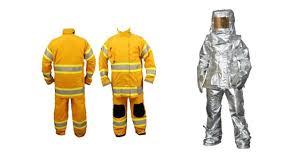
When buyers compare Firefighting Suit Fabric, they usually need more than a simple technical summary. The first question is how Firefighting Suit Fabric will perform in a real emergency, where heat, movement, and repeated use all matter at the same time. A good choice should support protection, comfort, and reliability without creating unnecessary problems during tailoring, inspection, or long-term service.
1. What Defines a Strong Protective Textile
A reliable protective textile starts with a structure that can support demanding conditions without breaking down too quickly. Fiber composition affects how the cloth responds to heat, while weave density influences both strength and flexibility. A well-built material should feel balanced in the hand, remain stable during cutting, and resist obvious distortion when it is handled repeatedly.
Buyers should pay attention to more than one feature at once. Thickness alone does not guarantee performance, and a fabric that seems tough on paper may still be awkward in production if it frays easily or feeds poorly through sewing equipment. The best samples usually show even texture, consistent body, and predictable behavior across the roll. That kind of consistency is especially valuable when a project involves many garments or replacement cycles over time.
2. Comfort and Mobility in the Field
Protective clothing only works when people can actually wear it for long periods. A suit that is too stiff or too heavy may limit movement, slow the wearer down, or cause discomfort during extended shifts. That makes comfort an operational issue, not a luxury feature. Breathability, flexibility, and balanced weight all help a suit remain usable in demanding conditions.
Movement is especially important in emergency work because the body needs to bend, lift, kneel, and turn quickly. If the textile creates resistance at the wrong points, the suit may interfere with the very tasks it is supposed to support. A practical material should allow layering without becoming bulky and should preserve enough structure to stay protective even after long hours of activity. The most effective fabrics are often the ones that disappear into the background while still doing their job.
3. Black-Fire Quality Testing and Procurement
Testing should always reflect the real situations the garment will face. A sample may look excellent on a table, yet reveal weaknesses after folding, handling, or repeated stress. That is why buyers should check edge stability, surface consistency, and performance after simulated wear. It also helps to compare multiple pieces from the same batch, because small differences can point to larger supply issues.
Procurement teams benefit when they review practical handling as carefully as they review formal documentation. A certificate may confirm one standard, but the sample itself shows how the textile behaves when cut, sewn, and assembled. If the material changes shape too much or becomes difficult to work with, it may create delays long before it reaches the end user. Strong purchasing decisions usually come from combining technical data with careful physical inspection.
4. Manufacturing, Sewing, and Finishing Efficiency
Production efficiency is one of the least visible but most important parts of material selection. A textile that feeds smoothly through equipment, cuts cleanly, and holds its shape during assembly can save significant time. By contrast, a material that shifts too much or frays too easily may increase waste and slow down the entire workflow.
Finishing also matters. Seams, closures, and reinforced areas all depend on the cloth remaining stable while the garment is built. If the base material is unreliable, the finished product may show uneven lines, poor fit, or early wear in the most heavily used zones. Choosing a fabric that supports consistent manufacturing often improves both product quality and shop-floor productivity. In large orders, those small gains add up quickly.
5. Long-Term Value and Smarter Supply Planning
Long-term value depends on more than the purchase price. Buyers should consider how long the material will stay usable, how often it will need replacement, and whether it can handle repeated cleaning and storage without losing performance. A higher-quality textile may cost more at the start, but it can reduce reordering, rework, and downtime later.
Supply planning matters too. Organizations that manage emergency apparel need dependable repeatability, because the next order must match the previous one as closely as possible. That means looking at consistency from batch to batch, not just judging a single sample. A material that supports stable procurement is often the one that creates the least stress for the team responsible for safety gear. For product details and current sourcing information, visit https://www.black-fire.net/product/ .

 English
 Arabic
 French
 Spanish
 Portuguese
 Deutsch
 Turkish
 Dutch
Dutch
 Italiano
 Russian
 Romaian
 Portuguese (Brazil)
 简体中文
简体中文
 日本語
日本語
 한국어
한국어
 繁体中文
繁体中文