

Modern Car Wheel Stopper Design by Cnluba
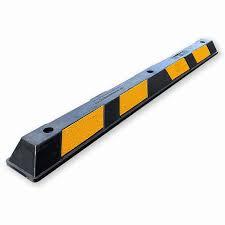
In parking lots and loading zones, a Car Wheel Stopper can protect walls, walkways, and nearby equipment from costly impact damage, and a properly positioned Car Wheel Stopper can also guide vehicles into consistent parking positions. When traffic flow is organized with clear physical boundaries, drivers make fewer mistakes and property managers gain more control over tight spaces, blind corners, and shared access routes. That is why parking safety has become an important part of modern facility planning, especially in places where vehicles, pedestrians, and delivery operations must coexist smoothly.
Designing Safer Parking Layouts
A well-planned parking layout starts with understanding how vehicles move from entry to exit. Drivers often need more guidance than painted lines alone can provide, especially in underground garages, retail centers, hospitals, and office buildings. Physical stopping points help reduce uncertainty and make parking behavior more predictable.
In busy facilities, small design choices can prevent large problems. A vehicle that rolls too far forward may strike a wall, damage landscaping, or block a pedestrian path. By using stable positioning devices in the right locations, property managers can improve safety without complicating daily access. The best layouts combine visual clarity, enough turning space, and strong end-of-bay protection.
Another important factor is consistency. When every parking space follows the same physical logic, drivers understand where to stop and how far to advance. This reduces confusion during peak hours and helps new visitors park more confidently.
Materials That Support Long-Term Performance
Parking accessories must tolerate constant pressure from tires, weather, and cleaning equipment. Materials that crack or deform too quickly can create maintenance issues and reduce the reliability of the entire site. For this reason, durability is one of the first qualities buyers look for when selecting protective equipment.
Rubber remains popular because it absorbs impact well and performs reliably across changing temperatures. It can handle repeated contact while preserving shape and function. In outdoor facilities, resistance to sunlight and moisture also matters, since surface deterioration can affect both appearance and performance over time.
Visibility is another key requirement. Bright colors make parking stops easier to spot, especially in low-light garages or rainy conditions. High-contrast design helps drivers react earlier, which lowers the chance of accidental contact. Reflective features can add another layer of warning in areas that operate at night or during early morning deliveries.
The foundation of a safe parking system is not just strength; it is also balance. A product must stay in position after repeated use, and its structure should support steady performance without shifting out of place.
Cnluba Design Principles for Parking Control
Every parking environment has different needs, so flexibility in design matters. Some locations require compact solutions for private garages, while others need heavier products for commercial lots with frequent vehicle turnover. The ability to match product design to site conditions is a major advantage in safety planning.
Customization can also improve functionality. Length, height, color, and mounting method all influence how well a parking device serves its purpose. In some spaces, a lower profile is better because it reduces scrape risk. In others, a more visible structure is needed to alert drivers before they reach the end of the parking bay.
Good design also considers installation efficiency. Facility teams prefer products that can be fitted with minimal disruption, especially when parking areas remain open during business hours. Simple maintenance is equally important, because busy operators cannot afford long service interruptions.
Where Vehicle Control Matters Most
Different environments benefit from parking control in different ways. Shopping centers use physical barriers to keep vehicles aligned and to protect storefront entrances from accidental bumps. Apartment complexes rely on clear stopping points to preserve walkways, mail areas, and landscaped spaces. Warehouses and logistics hubs use them to organize truck bays and internal movement.
Hospitals and schools need especially careful planning. In those settings, drivers may be distracted by urgency, pedestrian traffic, or unfamiliar routes. Clear vehicle guidance helps reduce stress and improves safety for people entering and leaving the property. Even in smaller lots, the right equipment can make parking easier to understand and safer to complete.
The same idea applies to shared spaces where visitors and staff use the same roads. Once vehicle paths become predictable, traffic flows more smoothly and parking behavior becomes more disciplined. That is why practical safety products are often more valuable than complex warning systems.
Future Needs in Parking Safety Systems
As cities grow and private facilities become more crowded, parking safety will continue to depend on products that combine durability with simplicity. Site managers are looking for solutions that are easy to install, easy to replace, and reliable under daily use. Materials that last longer and maintain visibility will remain in demand as property owners try to reduce maintenance costs.
The next generation of parking protection may also focus on cleaner production methods and smarter site planning. Better product engineering can support safer vehicle guidance without creating extra clutter in the parking environment. For buyers comparing options and planning upgrades, additional product information is available naturally at https://www.cnluba.com/product/ .

 English
 Arabic
 French
 Spanish
 Portuguese
 Deutsch
 Turkish
 Dutch
Dutch
 Italiano
 Russian
 Romaian
 Portuguese (Brazil)
 简体中文
简体中文
 日本語
日本語
 한국어
한국어
 繁体中文
繁体中文