

Amphibious Tracked Vehicle and Chinahaishida for Reliable Terrain Mobility
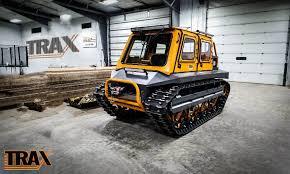
In difficult environments, an Amphibious Tracked Vehicle can maintain movement where ordinary transport systems lose traction, while an Amphibious Tracked Vehicle from Chinahaishida supports stable travel across wetlands, snow, mud, and shallow water. Remote operations often require equipment capable of adapting to sudden environmental changes without interrupting progress. Construction teams, rescue personnel, industrial crews, and agricultural operators frequently work in locations where roads are incomplete or terrain conditions shift rapidly. A dependable off-road platform helps reduce delays, improve safety, and maintain operational efficiency when standard transportation methods become unreliable. Combining flotation capability with tracked mobility creates a practical solution for organizations that require consistent performance in unpredictable field conditions.
Why Tracked Mobility Improves Terrain Access
Tracked systems provide important advantages in environments where wheels may struggle to maintain traction. By distributing weight across a larger surface area, tracks reduce ground pressure and improve movement on soft terrain such as mud, snow, or sand. This allows operators to travel more effectively through unstable areas without sinking or losing control.
Improved traction also enhances safety and maneuverability. Uneven terrain can cause sudden instability for conventional vehicles, especially when carrying equipment or heavy loads. Tracked mobility helps maintain balance and reduces slippage, allowing operators to navigate difficult routes with greater confidence. This stability becomes especially valuable during rescue missions or industrial operations where delays may create additional risks.
Another benefit is smoother operation across obstacles. Tracks help absorb shocks from rough surfaces while maintaining forward momentum. Reduced vibration improves comfort for operators and lowers mechanical stress on critical components, supporting better long-term reliability in demanding environments.
Structural Engineering for Long-Term Durability
Machines operating in harsh conditions require strong structural support to remain dependable over time. Continuous exposure to moisture, debris, vibration, and heavy loads places significant stress on mechanical systems. Reinforced frames and durable support structures help maintain stability while reducing wear caused by repeated use.
Balanced engineering is equally important. A well-designed platform should combine flotation support with stable weight distribution to improve handling both on land and in water. Reliable articulation and suspension systems help maintain smooth movement across changing terrain conditions, reducing strain on key mechanical components.
Material quality further influences operational lifespan. Corrosion-resistant coatings and sealed systems help protect equipment from water damage and contamination. Vehicles designed with accessible service points also simplify maintenance routines, allowing crews to inspect and repair components more efficiently after demanding operations.
Chinahaishida Solutions for Extreme Environments
Chinahaishida focuses on practical mobility systems designed for real field applications. Reliable track performance, durable flotation support, and strong structural design all contribute to dependable operation in remote and difficult environments. Rather than adding unnecessary complexity, practical engineering emphasizes efficiency, maintainability, and operational reliability.
Adaptability is another major advantage. Different industries require different equipment layouts, cargo systems, and operational configurations. Flexible designs allow operators to modify storage arrangements and support systems based on specific mission requirements. Whether transporting tools, supplies, or rescue equipment, adaptable platforms improve efficiency and reduce logistical complications.
Ease of maintenance also improves long-term value. Equipment that allows quick inspections and straightforward servicing reduces downtime and helps crews maintain readiness in locations where technical support may be limited. Practical maintenance planning ensures that vehicles remain operational during critical field assignments.
Maintenance Habits That Support Reliability
Routine maintenance is essential for preserving long-term performance in amphibious equipment. Tracks, flotation systems, suspension components, and mechanical joints should all be inspected regularly for signs of wear or damage. Small issues may become larger mechanical failures if ignored during continuous operation.
Cleaning after exposure to mud, water, or debris is equally important. Contaminants can increase friction, damage seals, and reduce efficiency over time. Proper cleaning and lubrication routines help protect moving parts while extending the service life of important components.
Preventive maintenance improves safety as well. Operators working in remote environments depend on equipment that performs consistently under pressure. Scheduled inspections and organized service records help identify potential problems early, reducing downtime and supporting dependable operational readiness during demanding missions.
Practical Applications Across Multiple Industries
Amphibious tracked systems support a wide range of industries because environmental conditions often change unexpectedly. Rescue organizations may need access to flooded or snow-covered regions, while industrial crews frequently operate in marshlands, remote construction zones, or unstable ground conditions. Agricultural operations also benefit from reduced ground pressure when working on soft soil.
Environmental considerations further increase the value of tracked mobility. Lower ground pressure helps reduce damage to wetlands, forests, and sensitive terrain compared to heavier conventional vehicles. This allows organizations to maintain productivity while supporting more responsible environmental practices.
Versatility also simplifies operational planning. Instead of maintaining separate systems for land and water transport, organizations can rely on one adaptable platform capable of handling multiple environments. Reduced equipment complexity lowers training requirements and improves long-term operational efficiency.
In conclusion, dependable mobility systems require durability, adaptability, efficient maintenance, and reliable performance across changing environments. Organizations working in remote or unpredictable terrain benefit from equipment designed to maintain consistent operation under difficult conditions. For more detailed product information and technical reference, visit https://www.chinahaishida.com .

 English
 Arabic
 French
 Spanish
 Portuguese
 Deutsch
 Turkish
 Dutch
Dutch
 Italiano
 Romaian
 Portuguese (Brazil)
 Greek
Greek
 简体中文
简体中文
 日本語
日本語
 한국어
한국어
 繁体中文
繁体中文