

Onion Routing Explained for Beginners
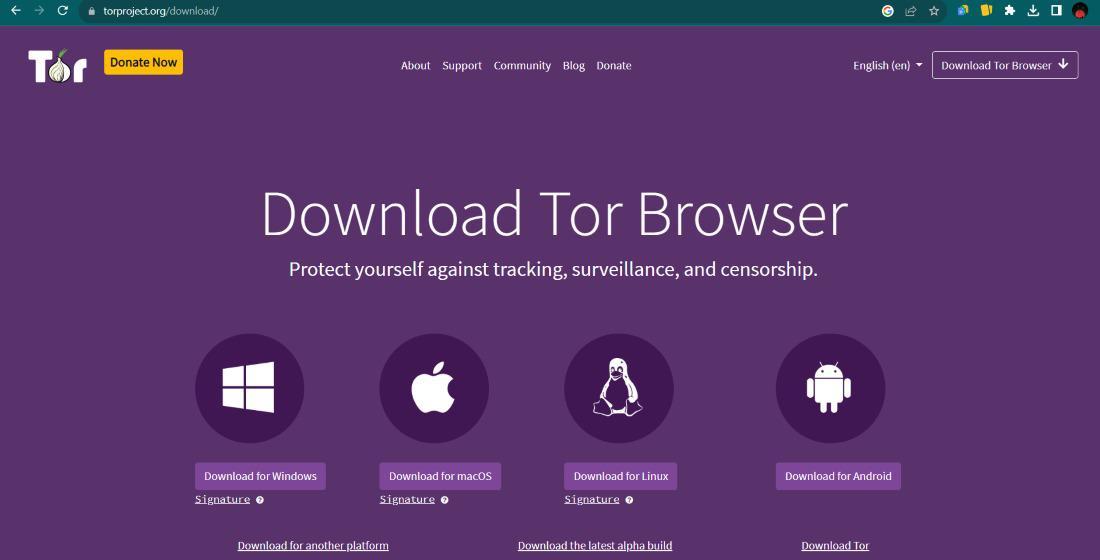
Did you know that every time you visit a standard website, your computer broadcasts your digital fingerprint and location to dozens of different servers? Many people assume that "private browsing" modes hide their identity but these tools only stop your browser from saving your history. To truly mask your presence from internet service providers and hackers, you need a system that changes how data travels across the globe - this is where onion routing becomes an essential tool for digital freedom.
The name comes from the way the system handles your data - Imagine you want to send a letter but instead of putting it in one envelope, you put it inside multiple different layers of packaging. Each layer has instructions for the next person in a chain but no single person knows both where the letter started and where it is going - this method ensures that even if one person in the middle is watching, they cannot see the full picture of your activity.
How the Layered Process Works
When you use an onion routing network, your computer first picks a path through a series of random servers. It then encrypts your data multiple times. Each layer of encryption corresponds to a specific "node" or server in the path. As the data moves from one point to another, the receiving server "peels" off a layer of encryption to see where to send the data next. It is a clever way to keep the source and the destination separate from each other.
The final server in the chain is known as the exit node - This server removes the last layer of protection and sends the data to the actual website you want to visit. Because of this, the website thinks the traffic is coming from the exit node rather than your home computer. It is a highly effective way to stay anonymous, though the extra steps often make your internet speed feel slower than a direct connection.
Why People Choose This Method
Privacy is the most common reason people turn to this technology. Journalists often use these networks to talk to sources without putting them in danger. Individuals living under strict government control use it to access information that is otherwise blocked in their home countries. It is not just for experts - anyone who feels uncomfortable with big companies tracking their every move can find value here.
Beyond simple web browsing, this system allows for the existence of hidden services - these are websites that do not exist on the regular "surface" web - these sites often use the .onion suffix and provide a space for forums, libraries and marketplaces that value total anonymity. For those interested in seeing how the sites are organized, a directory of categorized onion links can show the variety of content available in these private corners of the web.
The Role of Volunteer Nodes
The entire network relies on the kindness of strangers - Many onion routing systems are decentralized, meaning no single company owns the servers. Thousands of volunteers around the world run software on their own hardware to help pass data along - this makes the network very hard to shut down because there is no central "brain" to target.
However, this decentralization requires trust in the system's design rather than the individuals running it. Since you do not know who owns the nodes, the encryption must be perfect. Many networks rotate the path your data takes every few minutes - this constant shifting makes it nearly impossible for an observer to piece together your browsing habits over a long period.
Tips for Navigating Secure Networks
Using this technology is a big step toward privacy but it is not a magic shield. You still need to be careful about what you do once you are online. As an example, logging into your personal social media account while using an anonymous browser defeats the purpose, as you are telling the site exactly who you are. It is best to keep your "anonymous life" completely separate from your "real-world" accounts.
If you are exploring new areas of the web, like independent marketplaces, always do your homework first. Some platforms are more reliable than others. You can find a detailed look at specific marketplaces or read an analysis of site trust levels to avoid common pitfalls. Staying informed is the best way to ensure your experience remains secure and helpful. Always remember that while the network hides your location, your behavior is what keeps you safe.
- Never download files unless you trust the source completely.
- Avoid using your real name or email address on hidden forums.
- Keep your specialized browser software updated to fix security holes.
- Use a secondary layer of protection, like a reputable VPN, if you need extra peace of mind.
For more general information on how these systems operate, you can visit this privacy resource to learn about the different tools available for secure communication. Understanding the basics is the first step toward taking control of your digital footprint in an age where privacy is increasingly hard to find.
FAQ
Is onion routing legal to use?
In most countries, using onion routing is perfectly legal - It is a tool designed for privacy, much like a curtain on your window. The things you do while using the network are still subject to the laws of your local area.
Does it make my internet slower?
Yes, it usually does - Because your data has to bounce through at least three different servers across the world before reaching its destination, there is a noticeable delay compared to normal browsing.
Can hackers see my data at the exit node?
The person running the final server (the exit node) can see the data you are sending if the website you are visiting is not encrypted with HTTPS. Always look for the padlock icon in your address bar to ensure your data is secure from end to end.
Do I need special equipment?
You do not need any special hardware - Many people use a specific, free browser designed to handle the layered encryption automatically. It looks and feels very similar to standard web browsers you already know.

 English
 French
 Spanish
 Portuguese
 Deutsch
 Turkish
 Dutch
Dutch
 Italiano
 Russian
 Romaian
 Portuguese (Brazil)
 Greek
Greek
 简体中文
简体中文
 日本語
日本語
 한국어
한국어
 繁体中文
繁体中文