

Safe and Proven Options for Alopecia Areata Treatment In Islamabad in Pakistan
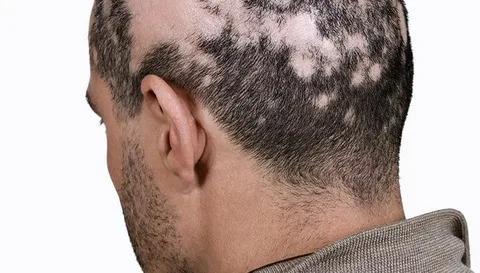
Alopecia areata is a sudden and often unpredictable autoimmune condition that causes patchy hair loss on the scalp, beard, and sometimes other areas of the body. It occurs when the immune system mistakenly attacks hair follicles, leading to visible bald patches that can affect confidence and emotional well-being. While the condition varies from person to person, many individuals look for safe and effective ways to manage it without unnecessary risks or complications. In Pakistan, growing awareness has encouraged people to explore reliable care methods, and Alopecia Areata Treatment In Islamabad has become a commonly searched phrase among those seeking structured and safe improvement options for hair regrowth and scalp health.
Understanding Alopecia Areata and Its Safe Management
Alopecia Areata is not contagious or life-threatening, but its psychological impact can be significant. Safe management begins with understanding that the condition is often linked to immune system imbalance, stress, genetics, and sometimes environmental triggers. Instead of focusing on quick fixes, proven approaches aim to stabilize hair loss, reduce inflammation, and support natural regrowth cycles.
Safe options typically prioritize scalp health, immune support, and lifestyle adjustments that reduce internal triggers. Many individuals experience cycles of regrowth and relapse, which makes consistency in care essential rather than relying on temporary solutions.
Proven Non-Invasive Hair Regrowth Approaches
One of the most widely recognized approaches involves stimulating hair follicles gently and consistently. Topical solutions designed to support follicle activity can be part of a structured plan when used appropriately. These methods are not instant fixes but are considered reliable when followed over time.
Scalp stimulation techniques such as controlled micromassage can also improve blood circulation, encouraging nutrient delivery to weakened follicles. This helps create a healthier environment for regrowth. While results vary, many individuals report improved density and reduced patch visibility with regular care.
Role of Immune Balance in Hair Recovery
Since alopecia areata is an autoimmune condition, maintaining immune stability is an essential part of recovery. Safe and proven options often include strategies that reduce unnecessary immune stress. This includes improving sleep patterns, managing inflammation through diet, and reducing exposure to triggers that may worsen hair shedding.
A stable immune system does not guarantee immediate regrowth, but it significantly improves the chances of sustained improvement. Many people notice that when internal stressors reduce, hair cycles gradually normalize, allowing follicles to re-enter the growth phase more effectively.
Nutrition and Lifestyle Support for Healthier Hair
Nutrition plays a major role in supporting hair follicle strength. A balanced diet rich in vitamins, minerals, and proteins can help the body rebuild healthier hair structures. Nutrients such as iron, zinc, vitamin D, and biotin are often associated with improved hair resilience.
Hydration also supports scalp health by maintaining moisture balance and reducing dryness or irritation. Combined with regular physical activity, these habits enhance blood circulation, which can indirectly benefit follicle recovery. Lifestyle stability is often underestimated but remains a core element of safe and proven hair support strategies.
Stress Management and Emotional Well-Being
Emotional stress is one of the most commonly reported triggers for flare-ups. Safe management approaches often include relaxation techniques such as deep breathing, meditation, or light physical activity like walking. These practices help regulate stress hormones that may otherwise contribute to hair shedding.
Maintaining emotional balance does not eliminate the condition, but it reduces the frequency and intensity of flare-ups. Over time, individuals often find that a calmer lifestyle contributes to more consistent hair regrowth patterns and improved scalp stability.
Gentle Hair Care Practices for Better Outcomes
Hair care routines also play an important role in managing alopecia areata safely. Avoiding harsh chemical treatments, excessive heat styling, and tight hairstyles helps protect fragile follicles. Using mild cleansing products can reduce scalp irritation and support a healthier environment for regrowth.
Regular but gentle cleansing ensures that the scalp remains clean without stripping natural oils. This balance is essential for maintaining follicle comfort and minimizing additional stress on affected areas.
What to Avoid During Recovery
Certain habits can slow down recovery or worsen hair loss cycles. Excessive scratching, frequent chemical treatments, and inconsistent care routines may disrupt the natural healing process. It is also important to avoid misinformation-driven approaches that promise instant results without scientific support.
Consistency and patience remain key elements in achieving long-term improvement. Safe and proven methods always focus on gradual progress rather than immediate transformation.
Building a Long-Term Recovery Mindset
Recovery from alopecia areata is often a gradual journey that requires patience and structured care. Many individuals experience periods of improvement followed by temporary setbacks, which is a normal part of the condition. Staying consistent with supportive practices helps maintain progress and reduces the likelihood of severe flare-ups.
When individuals adopt a balanced approach that includes nutrition, stress management, and gentle scalp care, they often see more stable and sustainable results over time. This long-term mindset is essential for managing expectations and achieving better hair health outcomes.
Final Thoughts on Safe Hair Regrowth Options
Safe and proven strategies for managing alopecia areata focus on restoring balance within the body, supporting follicle health, and maintaining consistency in care routines. While results vary, combining lifestyle improvements with gentle scalp support creates a strong foundation for recovery. In Pakistan, awareness about structured care continues to grow, and Alopecia Areata Treatment In Islamabad remains an important focus for individuals seeking reliable and safe pathways toward healthier hair and improved confidence.
FAQs
What is the main cause of alopecia areata?
It is primarily an autoimmune condition where the immune system attacks hair follicles, leading to patchy hair loss.
Can alopecia areata be cured completely?
There is no permanent cure, but many safe and proven methods can support regrowth and control flare-ups.
Is stress a major trigger for hair loss in alopecia areata?
Yes, stress is a common trigger that can worsen or activate hair loss episodes.
Do natural methods help in recovery?
Natural approaches like nutrition, stress control, and gentle hair care can support overall improvement but work best as part of a combined strategy.
How long does regrowth usually take?
Regrowth varies widely; some individuals see improvement within months, while others may experience longer cycles.

 English
 Arabic
 French
 Spanish
 Portuguese
 Deutsch
 Turkish
 Dutch
Dutch
 Russian
 Romaian
 Portuguese (Brazil)
 Greek
Greek
 简体中文
简体中文
 日本語
日本語
 한국어
한국어
 繁体中文
繁体中文