

Rosacea Treatment In Islamabad: Complete Guide for Clear and Healthy Skin
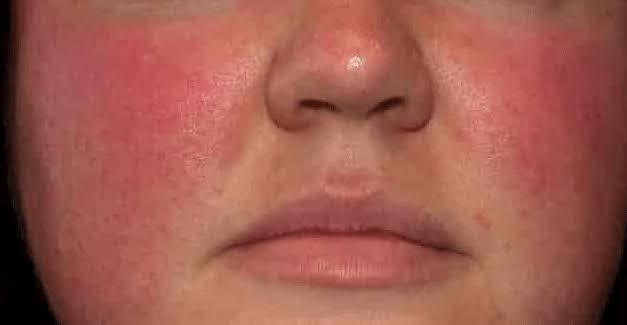
Rosacea is a persistent skin condition that affects facial appearance, confidence, and overall skin comfort, often showing up as redness, visible blood vessels, and occasional bumps that resemble acne. Many individuals struggle to manage its flare-ups due to environmental triggers, stress, and skincare mistakes, which makes professional guidance essential for long-term control. In today’s advanced dermatology landscape, Rosacea Treatment In Islamabad has become increasingly focused on personalized care, modern techniques, and lifestyle-based management strategies that aim to restore skin balance and improve quality of life for those affected by this condition.
Understanding Rosacea and Its Common Symptoms
Rosacea is a chronic inflammatory skin condition that typically affects the central part of the face, including the cheeks, nose, forehead, and chin. It often begins with frequent flushing or redness that gradually becomes more persistent over time. In some cases, small visible blood vessels may appear, giving the skin a constantly irritated look. Some individuals also experience acne-like breakouts, skin sensitivity, and a burning or stinging sensation.
Although rosacea can affect anyone, it is more commonly seen in adults with fair to medium skin tones. The exact cause is not fully understood, but it is believed to be linked to a combination of genetic and environmental factors. Triggers such as sun exposure, spicy foods, hot beverages, extreme temperatures, and emotional stress can worsen symptoms significantly.
Causes and Triggers That Worsen Rosacea
One of the most important aspects of managing rosacea is identifying what triggers flare-ups. Each individual may respond differently, but several common factors are widely recognized. Sun exposure is one of the most frequent triggers, as UV rays can inflame sensitive skin and increase redness. Similarly, consuming alcohol or spicy foods can cause blood vessels to expand, making symptoms more visible.
Temperature changes, especially moving from cold to hot environments, may also intensify flushing episodes. Stress and anxiety play a significant role as well, as they can activate inflammatory responses in the skin. In some cases, certain skincare products containing harsh chemicals or fragrances can further irritate the skin barrier, making rosacea more difficult to control.
Understanding these triggers allows individuals to make informed lifestyle changes that support long-term skin health and reduce the frequency of flare-ups.
Modern Approaches to Managing Rosacea
Managing rosacea effectively requires a combination of medical guidance, skincare adjustments, and lifestyle modifications. The primary goal is to reduce inflammation, control redness, and prevent future flare-ups. Gentle skincare routines are often recommended, focusing on hydrating and calming ingredients that do not irritate the skin barrier.
Sun protection plays a crucial role in minimizing symptoms, as daily use of sunscreen helps protect sensitive skin from UV-induced inflammation. Patients are also encouraged to avoid harsh exfoliants and abrasive treatments that can worsen irritation.
Dietary awareness is another important factor. Foods that trigger flushing should be identified and limited, while anti-inflammatory foods can help support overall skin balance. Consistency in skincare and lifestyle habits is key to achieving visible improvement over time.
Importance of Professional Skin Evaluation
Although mild cases of rosacea may be managed with lifestyle changes, moderate to severe conditions often require professional evaluation. A thorough skin assessment helps identify the type and severity of rosacea, allowing for a more targeted approach to treatment.
Professional guidance ensures that individuals do not confuse rosacea with other skin conditions such as acne or eczema, which require different care strategies. Accurate diagnosis also prevents unnecessary treatments that may worsen the condition.
With increasing awareness, more individuals are seeking structured care plans that focus on long-term control rather than temporary relief.
Lifestyle Adjustments for Better Skin Health
Daily habits play a significant role in controlling rosacea symptoms. Maintaining a consistent skincare routine with mild, fragrance-free products helps protect the skin barrier. Avoiding excessive heat exposure, such as hot showers or saunas, can also reduce flare-ups.
Stress management techniques like meditation, light exercise, and proper sleep routines contribute positively to skin health. Staying hydrated and maintaining a balanced diet further supports the skin’s natural healing process.
Over time, these small but consistent changes can significantly improve skin texture, reduce redness, and enhance overall comfort.
Emotional Impact and Confidence Restoration
Rosacea does not only affect the skin; it can also influence emotional well-being and self-confidence. Many individuals feel self-conscious about persistent redness or visible flare-ups, which may affect social interactions and daily life.
Addressing rosacea effectively helps restore confidence by improving skin appearance and reducing unpredictability. As symptoms become more manageable, individuals often experience a positive shift in self-esteem and overall mental well-being.
Long-Term Skin Management Strategies
Rosacea is a long-term condition, which means ongoing care is essential even after symptoms improve. Preventive strategies, including trigger avoidance and consistent skincare, help maintain results and prevent relapse.
Regular monitoring of skin reactions allows individuals to adjust their routine as needed. Over time, many people learn to recognize early signs of flare-ups and take proactive steps to control them before they worsen.
A structured, patient approach ensures that skin remains healthier, calmer, and more resilient in the long run.
FAQs
What is the main cause of rosacea?
The exact cause is unknown, but it is linked to genetics, environmental triggers, and immune system responses that cause facial blood vessels to react abnormally.
Can rosacea be completely cured?
Rosacea cannot be permanently cured, but it can be effectively managed with proper skincare, lifestyle changes, and professional care to control symptoms.
What foods should be avoided with rosacea?
Spicy foods, alcohol, and very hot beverages are common triggers that may worsen redness and flushing in many individuals.
Is rosacea the same as acne?
No, rosacea is a chronic inflammatory condition, while acne is caused by clogged pores and bacteria. They require different treatment approaches.
How long does it take to see improvement?
Results vary depending on severity and consistency of care, but noticeable improvement can often be seen within a few weeks to months of proper management.

 English
 French
 Spanish
 Portuguese
 Deutsch
 Turkish
 Dutch
Dutch
 Italiano
 Russian
 Romaian
 Portuguese (Brazil)
 Greek
Greek
 简体中文
简体中文
 日本語
日本語
 한국어
한국어
 繁体中文
繁体中文