

Can Jaw Surgery in Islamabad Help with Sleep Apnea and Breathing Issues?
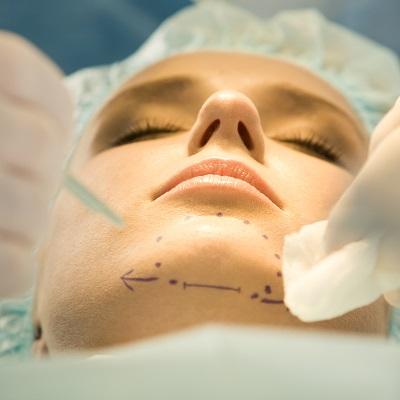
Sleep apnea and chronic breathing difficulties during sleep are more than just nighttime inconveniences; they can significantly affect daily energy levels, mental clarity, and long-term health. Many individuals struggle for years without understanding the root cause of their condition, often relying on temporary solutions rather than addressing structural issues in the jaw and airway. In such cases, modern corrective procedures have gained attention for their ability to improve airflow and overall sleep quality. One such advanced treatment option is Jaw Surgery in Islamabad, which is increasingly discussed as a potential solution for patients dealing with severe breathing obstruction and sleep-related disorders.
This surgical approach focuses on repositioning the upper and lower jaws to create more space in the airway. By expanding the breathing passage, it can reduce or even eliminate the airway collapse that occurs during sleep apnea episodes. Unlike temporary devices or lifestyle adjustments, this method targets the anatomical cause of the problem, making it a long-term corrective option for eligible patients.
Understanding Sleep Apnea and Its Causes
Sleep apnea is a condition where breathing repeatedly stops and starts during sleep. The most common type, obstructive sleep apnea, occurs when throat muscles relax and block the airway. However, in many cases, the underlying issue is not just soft tissue relaxation but also the structure of the jaw and airway.
A small or misaligned jaw can push the tongue backward, narrowing the airway and increasing the likelihood of obstruction during sleep. This is why some individuals continue to experience symptoms even after trying standard treatments. Symptoms often include loud snoring, choking during sleep, morning headaches, fatigue, and difficulty concentrating during the day.
When structural imbalance is the primary cause, addressing only the symptoms is not enough. That is where surgical correction becomes relevant, offering a more permanent improvement in airflow and sleep quality.
How Jaw Surgery Improves Breathing Function
Jaw surgery works by repositioning the upper jaw, lower jaw, or both to improve alignment and expand the airway space. When the jaw is moved forward, it increases the size of the airway behind the tongue and soft palate. This reduces the risk of collapse during sleep and allows air to flow more freely.
Patients who undergo this type of correction often notice significant improvement in nighttime breathing patterns. Snoring frequency decreases, oxygen levels stabilize, and sleep becomes deeper and more restorative. Over time, this can also improve daytime alertness and reduce health risks associated with oxygen deprivation, such as cardiovascular strain.
In cases where non-surgical treatments fail to provide relief, structural correction becomes an important consideration for long-term management.
Who Can Benefit from This Treatment
Not every case of sleep apnea requires surgery, but certain individuals may benefit more than others. Those with moderate to severe obstructive sleep apnea caused by jaw positioning or facial structure are often considered suitable candidates.
People who experience persistent symptoms despite using breathing devices or lifestyle modifications may also be evaluated for structural correction. Additionally, individuals with noticeable jaw misalignment, recessed chin, or narrow airway structure may find this approach particularly beneficial.
A proper diagnosis is essential to determine whether the condition is primarily anatomical. Once confirmed, surgical intervention may offer a more lasting improvement compared to ongoing temporary treatments.
Recovery and Long-Term Outcomes
Recovery from jaw surgery typically involves a healing period where swelling and discomfort gradually subside. During this time, patients follow a structured care routine to ensure proper healing and stabilization of the jaw position. While the initial recovery phase requires patience, the long-term results are often highly rewarding.
Many patients report improved sleep quality, reduced snoring, and enhanced overall health after recovery. Better oxygen flow during sleep also contributes to improved concentration, mood stability, and energy levels throughout the day. In some cases, individuals may also experience improved facial balance due to the structural adjustments made during surgery.
Long-term success depends on proper evaluation, planning, and adherence to post-treatment care guidelines. When appropriately recommended, this procedure can significantly transform quality of life.
Lifestyle Impact and Breathing Improvement
Breathing is a fundamental part of overall health, and even minor improvements in airway function can have a noticeable impact on daily life. Better sleep leads to improved cognitive performance, stronger immunity, and reduced risk of chronic fatigue.
For individuals struggling with long-term sleep apnea, structural correction can provide relief where other methods fall short. It also reduces dependency on external breathing aids, offering a more natural and sustainable solution for airway management.
Psychological and Quality of Life Benefits
Chronic sleep disturbances often lead to irritability, stress, and reduced productivity. Restoring proper airflow during sleep can have a positive effect on mental health as well. Patients frequently report feeling more refreshed and emotionally balanced after successful correction of airway obstruction.
Improved sleep quality also enhances social confidence, especially in cases where loud snoring previously affected relationships. Over time, the benefits extend beyond physical health and contribute to a more active and fulfilling lifestyle.
FAQs
Can jaw surgery completely cure sleep apnea?
It can significantly reduce or eliminate symptoms in patients whose condition is caused by structural jaw issues, but results vary depending on severity and diagnosis.
Is jaw surgery safe for breathing problems?
Yes, when properly evaluated and planned, it is considered a safe and effective option for improving airway function and treating obstructive sleep issues.
How long does it take to recover after surgery?
Recovery usually takes several weeks, with gradual improvement in swelling and comfort. Full healing and stabilization may take a few months.
Do all sleep apnea patients need surgery?
No, only those with structural or severe cases that do not respond to non-surgical treatments may be considered for this option.
Will breathing improve immediately after surgery?
Some improvement may be noticed early, but full breathing benefits develop gradually as healing progresses.

 English
 Arabic
 French
 Spanish
 Portuguese
 Deutsch
 Turkish
 Dutch
Dutch
 Italiano
 Russian
 Romaian
 Greek
Greek
 简体中文
简体中文
 日本語
日本語
 한국어
한국어
 繁体中文
繁体中文