

Melasma Treatment in Islamabad for Men: Breaking the Stigma
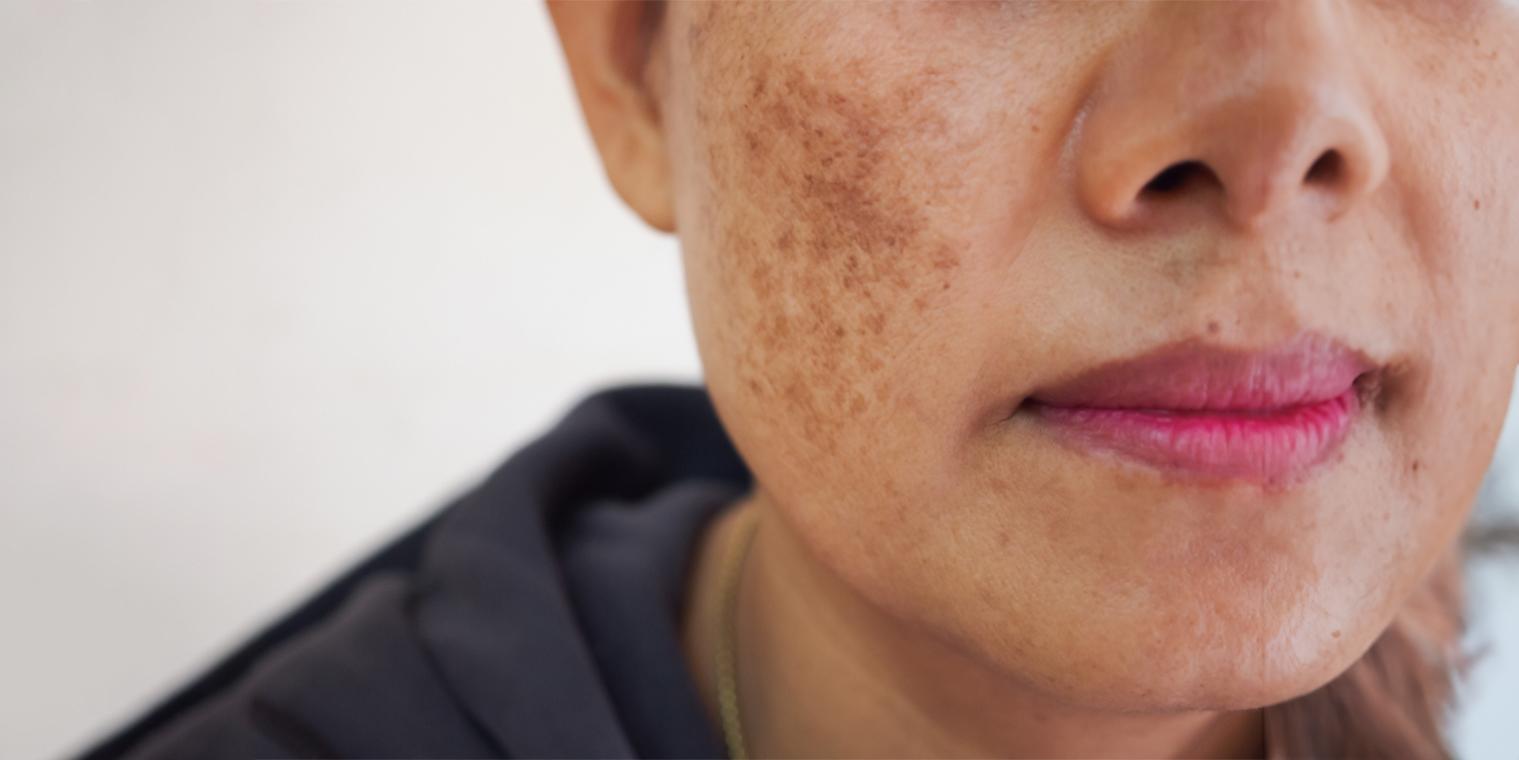
Melasma is often misunderstood as a skin concern that only affects women, but in reality, it is increasingly common among men as well. Dark patches on the face, uneven skin tone, and persistent pigmentation can affect confidence, social interactions, and professional presence. Despite its prevalence, many men hesitate to seek help due to social stigma and misconceptions about skincare being a “female concern.” Awareness is slowly changing this mindset, encouraging men to prioritize skin health without hesitation or shame. Modern dermatological understanding shows that pigmentation disorders require timely attention and consistent care. With rising awareness and evolving skincare practices, more men are openly discussing solutions and exploring effective options. The growing interest in Melasma Treatment in Islamabad reflects this positive shift toward self-care, confidence, and informed decision-making among men who want healthier and clearer skin.
Understanding Melasma in Men
Melasma is a pigmentation disorder that appears as brown or grayish patches, commonly on the forehead, cheeks, nose, and upper lip. While hormonal influence is often associated with women, men develop melasma due to multiple environmental and biological factors. In men, it may appear more resistant due to deeper pigmentation layers and longer delays in seeking care. Understanding its nature is the first step toward effective management.
Why Men Develop Melasma
Several factors contribute to melasma in men, and sunlight exposure is one of the most significant triggers. Ultraviolet rays stimulate excess melanin production, which leads to patchy discoloration over time. Outdoor work, sports activities, and lack of sun protection increase the risk significantly.
Hormonal imbalance can also play a role, although it is less common in men. Genetic predisposition is another strong factor, meaning family history can increase susceptibility. Additionally, stress, poor sleep patterns, and certain medications may worsen pigmentation. Environmental pollution in urban areas further aggravates the condition, making it more persistent.
Breaking the Stigma Around Skin Treatment for Men
In many societies, men are conditioned to ignore skin concerns and focus only on physical endurance or appearance in a minimal sense. However, this outdated thinking prevents many from seeking timely help for conditions like melasma. Skin health is not a gendered concern; it is an essential part of overall well-being.
Modern perspectives encourage men to embrace skincare as part of self-care and confidence building. Addressing pigmentation issues early can prevent worsening and improve long-term skin quality. When men openly seek solutions, it also helps normalize skincare awareness across society, reducing stigma for future generations.
Evidence-Based Treatment Approaches
Managing melasma requires a structured and consistent approach rather than quick fixes. One of the most important aspects is sun protection, which helps prevent further darkening of patches. Regular use of protective skincare routines plays a key role in controlling progression.
Topical treatments designed to regulate melanin production are commonly used in dermatology. These help gradually reduce pigmentation and even out skin tone over time. In addition, exfoliation-based approaches may assist in removing dead skin cells and improving skin renewal.
Lifestyle adjustments are equally important. Maintaining hydration, reducing stress levels, and improving sleep quality can support skin healing. A balanced diet rich in antioxidants also contributes to better skin resilience. The combination of these methods often delivers more effective and sustainable results.
Importance of Professional Guidance
Melasma is a complex condition that varies from person to person, which makes professional evaluation essential. Self-treatment or random product use can sometimes worsen pigmentation or cause irritation. A structured plan based on skin type, severity, and underlying causes ensures better outcomes.
EEAT principles emphasize experience, expertise, authority, and trust in skincare guidance. Reliable information and evidence-based approaches help individuals make informed decisions. Men who understand the importance of expert-backed skincare are more likely to achieve long-term improvement and avoid unnecessary complications.
Prevention and Long-Term Skin Care Habits
Preventing melasma recurrence requires consistent daily habits. Sun protection remains the most critical step, even after improvement is seen. Wearing protective clothing and avoiding prolonged sun exposure during peak hours can make a significant difference.
A gentle skincare routine that avoids harsh chemicals helps maintain skin balance. Regular hydration and antioxidant-rich foods support skin health from within. Stress management techniques such as exercise and relaxation practices also contribute to hormonal balance and overall skin stability.
Awareness and consistency are key factors in long-term control. Men who adopt preventive care early are less likely to experience severe pigmentation issues in the future, leading to healthier and more even-toned skin over time.
Melasma does not define appearance or confidence, and addressing it is a step toward better self-care and awareness. With improved understanding and evolving attitudes toward skincare, men are increasingly taking proactive steps toward healthier skin. The growing recognition of Melasma Treatment in Islamabad reflects a broader cultural shift where skin health is seen as an essential part of overall well-being, encouraging men to overcome stigma and take control of their skin journey.
FAQs
Is melasma common in men?
Yes, melasma affects men as well, especially those with high sun exposure or genetic predisposition. It is often underreported due to stigma.
Can melasma in men be completely cured?
Melasma can be managed effectively, but it may not always be permanently cured. Consistent care helps control and reduce pigmentation.
What is the main cause of melasma in males?
Sun exposure is the leading cause, followed by genetics, hormonal factors, stress, and environmental pollution.
Does melasma worsen without treatment?
Yes, without proper care and sun protection, pigmentation can deepen and spread over time.
Are lifestyle changes helpful in melasma control?
Yes, healthy habits like sun protection, good sleep, hydration, and balanced diet support better skin outcomes.

 English
 Arabic
 French
 Spanish
 Portuguese
 Deutsch
 Turkish
 Dutch
Dutch
 Italiano
 Russian
 Romaian
 Portuguese (Brazil)
 Greek
Greek
 日本語
日本語
 한국어
한국어
 繁体中文
繁体中文