

Advanced Light-Adaptive Technology in Modern Eyewear Systems
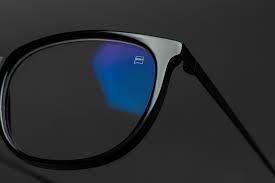
Modern optical technology has advanced significantly with the integration of light-responsive materials and precision engineering systems, and Photochromic Lens is widely used in eyewear solutions designed to automatically adjust to changing light conditions, improving visual comfort and reducing eye strain in both indoor and outdoor environments. These lenses rely on molecular-level material behavior that responds to ultraviolet exposure, enabling dynamic adaptation without manual intervention.
Material science plays a central role in the development of adaptive optical systems. Engineers use specially formulated compounds embedded within optical substrates that react to environmental light changes. These materials must maintain stability, durability, and consistent optical clarity over long-term use. In production systems, Photochromic Lens requires strict material consistency to ensure reliable light-responsive performance across all manufactured units.
Light adaptation behavior is determined by how molecules within the lens structure respond to ultraviolet radiation. When exposed to sunlight, these molecules undergo structural changes that alter light transmission levels. Engineers use advanced simulation models to study and optimize this reaction, ensuring that transition speed, darkness level, and recovery time remain balanced for comfortable visual experience.
Manufacturing processes include multiple precision stages such as molding, curing, polishing, and coating integration. Each stage must be carefully controlled to preserve the functionality of light-reactive materials. Automated production systems ensure consistency across large-scale manufacturing, while environmental control systems regulate temperature, humidity, and airborne particles to maintain material stability.
Coating technology enhances the performance of adaptive lenses by improving surface durability and optical efficiency. Protective coatings reduce glare, resist scratches, and help maintain uniform light transmission. These coatings are applied using precision-controlled methods to ensure even distribution across the lens surface. Continuous improvements in coating systems enhance both performance stability and product lifespan.
Quality control systems ensure that every lens meets strict performance standards. Automated inspection technologies evaluate optical clarity, reaction uniformity, and structural integrity. Continuous monitoring throughout production ensures consistent performance and reduces material waste, improving overall manufacturing efficiency.
In modern optical industry development, Photochromic Lens represents the integration of adaptive material science and precision optical engineering. Its function is not only to adjust to light conditions but also to maintain stable optical performance across varying environments. This balance between responsiveness and clarity reflects the continuous advancement of intelligent eyewear technology.
Thinkey Optical Co.,Ltd contributes to this development through advanced material research and precision manufacturing systems. The company supports global optical markets with stable production capabilities and continuous innovation. More information can be found at https://www.thinkeyoptical.com as part of its ongoing role in modern optical industry advancement.

 English
 Arabic
 French
 Spanish
 Portuguese
 Turkish
 Dutch
Dutch
 Italiano
 Russian
 Romaian
 Portuguese (Brazil)
 Greek
Greek
 简体中文
简体中文
 日本語
日本語
 한국어
한국어
 繁体中文
繁体中文