

Poppy Pods: Facts, History, and Uses
Poppy Pods: Botanical Facts, History, and Common Uses
Poppy pods attract attention for many reasons. Their shape is striking. Their history is deep. Their role in agriculture, gardening, art, and medicine has made them one of the most discussed plant structures in the world.
This article gives a clear, educational overview of poppy pods. You will learn what they are, how they form, which plants produce them, and why they matter in science, history, and culture. You will also see how poppy pods are used in legal, non-harmful contexts such as floral design, seed production, botanical study, and ornamental gardening.
What Are Poppy Pods?
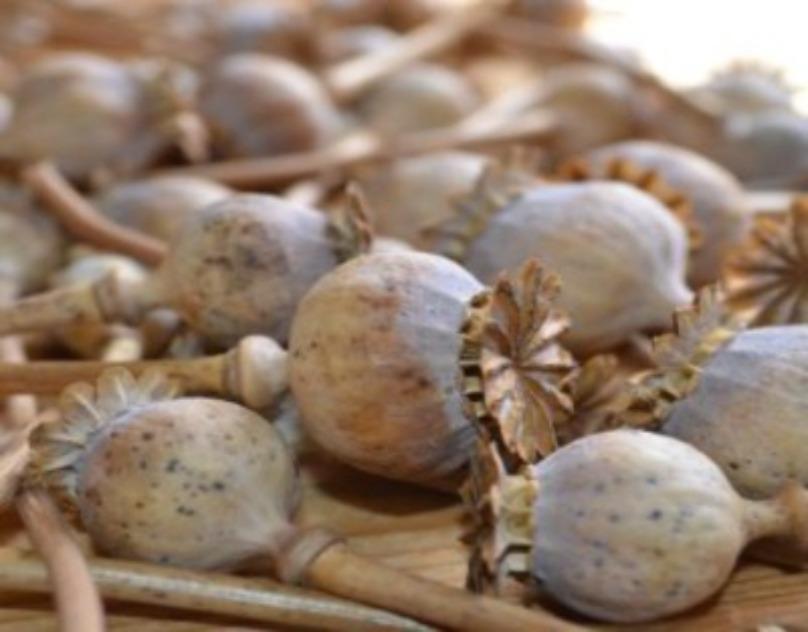
Poppy pods are the seed capsules that develop after a poppy flower blooms and sheds its petals. They are the fruiting body of plants in the Papaver genus, most notably Papaver somniferum, often called the opium poppy, and Papaver rhoeas, the common corn poppy.
Botanically, a pod forms when the flower is pollinated and the ovary begins to mature. Over time, the capsule enlarges and hardens. Inside, it contains many tiny seeds. In mature pods, these seeds are released through small openings near the top of the capsule.
Poppy pods vary in:
- Size: from small and round to large and globe-shaped
- Color: green when fresh, tan to brown when dried
- Texture: smooth, waxy, or lightly ribbed
- Shape: oval, spherical, or slightly elongated depending on species
Their distinct crown-like disk at the top makes them easy to identify.
Botanical Classification of Poppy Plants
Poppies belong to the family Papaveraceae, a group of flowering plants known for delicate blooms and distinctive seed capsules. While many species exist, only a few are widely recognized in gardening, agriculture, and historical writing.
Key botanical details
- Kingdom: Plantae
- Order: Ranunculales
- Family: Papaveraceae
- Genus: Papaver
Common species linked to poppy pods
Papaver somniferum
This is the best-known species in discussions of poppy pods. It is an annual plant with blue-green leaves, large flowers, and rounded seed capsules. It has been cultivated for centuries for seeds, ornamental value, and pharmaceutical raw materials under strict regulation in many countries.
Papaver rhoeas
Often called the field poppy or corn poppy, this species produces smaller pods and bright red flowers. It is common in meadows and has strong symbolic ties to remembrance.
Papaver orientale
Known as the Oriental poppy, this species is popular in ornamental gardens. It produces bold flowers and decorative pods valued in dried arrangements.
How Poppy Pods Develop
The life cycle of a poppy helps explain the pod’s botanical role.
From Flower to Seed Capsule
A poppy plant starts from seed and grows into a leafy annual or perennial, depending on species. Once mature, it produces flowers with delicate petals that may be white, pink, red, purple, or orange.
After pollination:
- The petals fall away
- The ovary swells
- The capsule develops
- Seeds mature inside the pod
- Openings form beneath the top disk
- Wind movement helps scatter the seeds
This process is efficient. A single pod may contain hundreds or even thousands of seeds, depending on the species and growing conditions. That high seed yield is one reason poppies have spread so widely across different regions.
Physical Features of Poppy Pods
Poppy pods are more than seed containers. Their structure is one reason botanists and gardeners find them so interesting.
Main parts of a poppy pod
Capsule
This is the main rounded body of the pod. It protects the seeds while they mature.
Stigma disk
The flat, star-like structure on top is the remnant of the flower’s stigma. It often looks like a decorative cap or crown.
Pores
In many species, small openings appear below the disk once the pod dries. These allow the seeds to escape.
Stem
The pod sits on a firm stem that supports it above the plant’s foliage.
This design serves a clear function. As wind shakes the dry stem, seeds spill out through the pores. Many botanists compare the pod to a natural salt shaker.
Historical Context of Poppy Pods
Poppy pods have a long and complex history. They appear in archaeology, art, agriculture, religion, and medicine. Evidence suggests humans have known and cultivated poppy species for thousands of years.
Ancient Civilizations and Early Cultivation
Archaeological findings indicate that poppies were known in the Mediterranean region and parts of Europe in ancient times. Historical records link poppy cultivation to civilizations such as the Sumerians, Egyptians, Greeks, and Romans.
Ancient societies valued poppies for several reasons:
- edible seeds used in food
- oil production from seeds
- ornamental beauty in gardens
- symbolic and ritual importance
- medicinal applications in early herbal practice
In classical art, poppies often appeared as symbols of sleep, peace, fertility, or remembrance. Their short-lived flowers and durable seed pods gave them a strong visual and symbolic presence.
Poppy Pods in Global Trade and Agriculture
Over time, poppies became part of trade networks across Asia, Europe, and the Middle East. Their movement followed the spread of agriculture and herbal knowledge. As farming systems advanced, certain species were selected for larger capsules, stronger stems, or better seed production.
Today, poppy cultivation exists in several legal agricultural systems around the world, especially for:
- culinary poppy seed production
- ornamental horticulture
- regulated pharmaceutical use
- botanical conservation and research
According to global agricultural and trade reporting, poppy seeds remain a recognized food ingredient in many regions, especially in Central Europe, Eastern Europe, and parts of the Middle East. They are commonly used in breads, pastries, fillings, and dressings.
Common Legal and Educational Uses of Poppy Pods
Poppy pods are often discussed in ways that create confusion. A clear distinction matters. In lawful and educational settings, poppy pods are most often relevant for botany, gardening, floral design, seed saving, historical study, and regulated agricultural systems.
Ornamental Gardening
Many gardeners grow poppies for their flowers and seed heads. The pods offer visual interest even after blooming ends. In border gardens and cottage-style landscapes, they add shape, height, and texture.
Gardeners value poppy pods because they:
- extend seasonal interest
- create sculptural forms in the garden
- support seed collection for future planting
- complement wildflower and pollinator-friendly spaces
Species like Papaver orientale and Papaver rhoeas are especially popular in decorative planting.
Dried Floral Arrangements and Crafts
Dried poppy pods are widely used in floral design. Their muted colors and clean structure make them useful in wreaths, centerpieces, and seasonal arrangements. Designers often pair them with grasses, wheat, eucalyptus, or other dried stems.
This use is common because the pods:
- dry well and hold shape
- add texture without needing bright color
- work in rustic, minimalist, and natural styles
- last longer than many cut flowers
Seed Production and Culinary Interest
The seeds from certain poppy varieties are used in food. Poppy seeds are small, kidney-shaped seeds known for their mild, nutty taste. They are used in baking and cooking around the world.
Common culinary applications include:
- breads and rolls
- cakes and pastries
- traditional fillings
- salad dressings
- spice blends
It is important to note that food-grade poppy seed production, handling, and sale are governed by different standards depending on country and region. Legal status and agricultural rules vary, so growers and buyers must follow local laws.
Botanical Education and Research
Poppy pods are useful teaching tools in plant science. They help students understand:
- flower anatomy
- fruit and seed development
- pollination
- seed dispersal mechanisms
- plant classification
Because the pod has a clear and memorable structure, it often appears in educational materials about angiosperms and reproductive biology.
Cultural Symbolism of Poppy Pods and Poppies
Poppies carry strong symbolic meaning, and the pod is part of that story. In many cultures, poppies represent memory, sleep, peace, fragility, and renewal.
The red field poppy became especially important after World War I. It grew across disturbed ground in battle-scarred areas of Europe and became a symbol of remembrance for fallen soldiers. While the flower is more visible in public symbolism, the seed pod remains central to the plant’s life cycle and continuity.
In art and design, poppy pods often suggest:
- nature’s geometry
- seasonal transition
- restraint and simplicity
- heritage and tradition
Are All Poppy Pods the Same?
No. Poppy pods differ by species, variety, environment, and maturity stage.
Differences by species
Some species produce large, rounded pods. Others form smaller, narrow capsules. Color, height, and flower type also vary.
Differences by growing conditions
Soil quality, rainfall, sun exposure, and climate affect pod size and seed development. Plants grown in rich, well-drained soil with full sun often produce stronger stems and fuller capsules.
Differences by harvest stage
Fresh pods are green and soft. Mature pods become dry, rigid, and better suited for seed dispersal or decorative use.
Legal and Safety Considerations
Poppy pods are a topic that requires care. Laws differ by country, state, and region. Some poppy species, plant parts, or cultivation practices are subject to strict legal controls. Anyone interested in growing, buying, selling, or using poppies should review local laws and agricultural rules first.
This article does not provide instructions for unsafe, improper, or unlawful use. Its purpose is educational. When discussing poppy pods, the most responsible approach is to focus on lawful gardening, botanical study, legal seed production, and decorative applications.
Why Poppy Pods Matter in Modern Search and Education
Poppy pods remain a high-interest subject because they sit at the intersection of botany, culture, history, and horticulture. People search for them for very different reasons. Some want plant identification. Others want gardening information, historical context, or floral design ideas.
A useful authority article must answer those needs clearly and safely. That means covering the plant’s biology, history, legal context, and ordinary uses without encouraging harmful behavior. For educators, writers, and garden enthusiasts, accurate language matters.
Key takeaways include:
- a poppy pod is the seed capsule of a poppy flower
- it plays a central role in seed development and dispersal
- pod appearance varies by species
- poppy pods have historical, artistic, agricultural, and botanical value
- legal context matters and varies by location
- educational and ornamental uses are the safest focus
Conclusion
Poppy pods are among the most recognizable structures in the plant world. They are simple in form, yet rich in meaning. Botanically, they are efficient seed capsules. Historically, they connect us to ancient farming, trade, symbolism, and medicine. In modern life, they remain relevant in gardening, education, food systems, and floral design.
Understanding poppy pods starts with seeing them as part of a plant’s natural life cycle. From bloom to seed, they show how form and function work together in nature. If you are researching them for study, writing, or horticulture, focus on species identification, lawful use, and accurate botanical context.
Frequently Asked Questions
What is a poppy pod?
A poppy pod is the seed capsule that forms after a poppy flower blooms and loses its petals. It contains the plant’s seeds and helps disperse them when mature.
Which plant produces poppy pods?
Poppy pods are produced by plants in the Papaver genus. Well-known examples include Papaver somniferum, Papaver rhoeas, and Papaver orientale.
Are poppy pods used in gardening?
Yes. Many gardeners value poppy pods for their ornamental shape, seed-saving potential, and visual interest after the flowers fade.
Can poppy pods be used in dried arrangements?
Yes. Dried poppy pods are often used in floral design, wreaths, and craft projects because they hold their shape well and add texture.
Are all poppy pods identical?
No. They differ in size, shape, color, and texture depending on the species, variety, and growing conditions.
What is the botanical function of a poppy pod?
Its main function is to protect developing seeds and help release them once they mature. In many species, seeds are dispersed through small pores near the top of the dry capsule.
Why are poppy pods historically significant?
They have been associated with agriculture, symbolism, food use, herbal traditions, and trade for thousands of years across several ancient civilizations.
Are poppy seeds and poppy pods the same thing?
No. Poppy seeds are the tiny seeds found inside the pod. The pod is the capsule that contains and protects those seeds.
Is it legal to grow poppies everywhere?
No. Laws vary by country and region. Some species or cultivation practices may be regulated or restricted. Always check local laws before growing or distributing poppy plants or pods.
Why do people search for information about poppy pods?
Common reasons include plant identification, gardening, floral design, seed collection, culinary interest, historical research, and botanical education.

 English
 Arabic
 French
 Spanish
 Deutsch
 Turkish
 Dutch
Dutch
 Italiano
 Russian
 Romaian
 Portuguese (Brazil)
 Greek
Greek
 简体中文
简体中文
 日本語
日本語
 한국어
한국어
 繁体中文
繁体中文