

Skin Pigmentation Treatment for Men: What You Need to Know
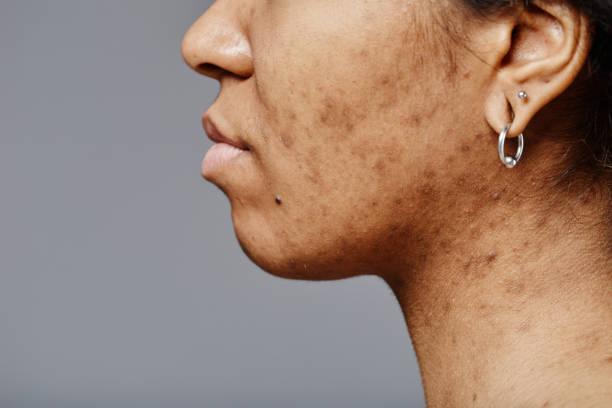
Men are becoming increasingly conscious of their skin health and appearance, especially when dealing with uneven skin tone, dark spots, melasma, sun damage, and post-acne marks. Skin pigmentation issues can affect confidence and make the skin appear older or less healthy than it actually is. Fortunately, modern aesthetic solutions offer effective ways to address these concerns and restore a more balanced complexion. Many individuals seeking Skin Pigmentation Treatment in Islamabad are looking for reliable methods to achieve clearer, healthier-looking skin while maintaining a natural appearance.
Understanding Skin Pigmentation in Men
Skin pigmentation occurs when the skin produces excess melanin, the pigment responsible for skin color. While melanin protects the skin from harmful ultraviolet rays, overproduction can lead to dark patches and uneven skin tone.
Men commonly experience pigmentation due to prolonged sun exposure, hormonal changes, acne scars, skin injuries, aging, and environmental pollutants. Since many men spend significant time outdoors and may not consistently use sun protection, pigmentation problems can become more noticeable over time.
Common Types of Pigmentation Affecting Men
Different pigmentation concerns require different approaches, making proper assessment essential.
Sunspots
Also known as age spots or solar lentigines, these dark patches develop due to years of sun exposure. They commonly appear on the face, forehead, cheeks, and neck.
Post-Inflammatory Hyperpigmentation
This type of pigmentation develops after acne, cuts, burns, or skin irritation. Once the skin heals, darker patches may remain for weeks or months.
Melasma
Melasma causes symmetrical brown or grayish patches on the face. Although more common in women, men can also develop this condition due to hormonal factors and sun exposure.
Uneven Skin Tone
Frequent shaving, irritation, and environmental damage can contribute to patchy discoloration and an overall uneven complexion.
Why Men Should Address Pigmentation Early
Pigmentation often becomes more stubborn when left untreated. Early intervention can help prevent dark patches from deepening and spreading.
Treating pigmentation early may offer several benefits, including:
- Improved skin clarity
- More even complexion
- Enhanced confidence
- Healthier skin appearance
- Better response to skincare products
Addressing pigmentation at an early stage can also reduce the need for more intensive treatments later.
Factors That Worsen Pigmentation
Understanding the causes of pigmentation is crucial for achieving long-lasting results.
Excessive Sun Exposure
Ultraviolet radiation stimulates melanin production, making existing pigmentation darker and encouraging new spots to form.
Lack of Sun Protection
Skipping sunscreen allows UV damage to accumulate, increasing the risk of persistent pigmentation.
Acne and Skin Trauma
Picking at pimples, aggressive shaving, and skin irritation can trigger inflammation that leads to dark marks.
Environmental Stressors
Pollution, dust, and exposure to harsh environmental conditions may contribute to oxidative stress, which can worsen discoloration.
Modern Approaches to Skin Pigmentation Treatment
Advancements in aesthetic dermatology have introduced various options designed to target excess melanin while preserving healthy skin.
Topical Solutions
Specialized skincare products may help reduce pigmentation gradually by supporting skin renewal and controlling melanin production.
Chemical Exfoliation
Professional exfoliation treatments help remove damaged surface layers, encouraging fresher and brighter skin to emerge.
Laser-Based Technologies
Laser treatments are often used to break down excess pigment while stimulating skin rejuvenation. These procedures can target specific areas of discoloration with precision.
Skin Rejuvenation Procedures
Advanced skin renewal techniques can improve overall skin texture, tone, and clarity while addressing pigmentation concerns.
The Importance of a Personalized Treatment Plan
Every man's skin is unique. Factors such as skin type, pigmentation depth, lifestyle, and overall skin condition influence treatment outcomes.
A personalized approach ensures that the selected treatment strategy addresses the root cause of pigmentation rather than simply masking the symptoms. This individualized care often leads to safer and more effective results.
How Men Can Maintain Results After Treatment
Successful pigmentation management extends beyond professional procedures. Consistent skincare habits play a significant role in preserving results.
Use Sunscreen Daily
Daily sun protection remains one of the most important steps in preventing pigmentation from returning.
Follow a Proper Skincare Routine
Gentle cleansing, hydration, and the use of recommended skincare products can support healthy skin renewal.
Avoid Picking or Scratching the Skin
Skin trauma can trigger new pigmentation, making it important to avoid unnecessary irritation.
Stay Consistent
Pigmentation improvement takes time. Consistency with aftercare recommendations is often the key to maintaining long-term benefits.
What Results Can Men Expect?
The extent of improvement depends on the type and severity of pigmentation, skin characteristics, and adherence to aftercare guidelines.
Many men notice a brighter appearance, smoother skin tone, and reduced visibility of dark patches over time. While some concerns may improve quickly, deeper pigmentation often requires patience and multiple sessions to achieve optimal results.
Why Professional Assessment Matters
Not all dark patches are caused by the same condition. A professional evaluation helps identify the underlying cause and determine the most suitable treatment strategy.
Attempting to self-diagnose pigmentation can lead to ineffective treatments or even worsening discoloration. Expert guidance ensures a safer and more targeted approach to skin improvement.
FAQs About Skin Pigmentation Treatment for Men
Can men benefit from pigmentation treatments?
Yes. Modern pigmentation treatments are highly effective for men and can address sunspots, acne marks, melasma, and uneven skin tone.
What causes pigmentation in men?
Common causes include sun exposure, acne scars, hormonal changes, aging, environmental damage, and skin inflammation.
Is pigmentation treatment suitable for all skin types?
Many advanced treatments can be customized for different skin types, though proper assessment is necessary to determine the most appropriate option.
How long does it take to see results?
Results vary depending on the severity and type of pigmentation. Some individuals notice improvement within a few weeks, while deeper pigmentation may require multiple sessions.
Can pigmentation return after treatment?
Yes, pigmentation can return if proper skincare and sun protection are not maintained. Consistent aftercare helps preserve results.
Is sunscreen important after pigmentation treatment?
Absolutely. Sunscreen helps protect treated skin from UV damage and reduces the risk of new pigmentation developing.
Conclusion
Skin pigmentation is a common concern among men, but it is no longer something that must simply be accepted. With advancements in aesthetic skin care, effective solutions are available to address dark spots, uneven skin tone, and discoloration. Understanding the causes, seeking professional guidance, and following proper skincare practices can significantly improve skin appearance and confidence. For men interested in achieving a clearer and more balanced complexion, Skin Pigmentation Treatment in Islamabad offers modern options designed to support healthier, more even-toned skin and long-lasting results.

 English
 French
 Spanish
 Portuguese
 Deutsch
 Turkish
 Dutch
Dutch
 Italiano
 Russian
 Romaian
 Portuguese (Brazil)
 Greek
Greek
 简体中文
简体中文
 日本語
日本語
 한국어
한국어
 繁体中文
繁体中文