

Are Chemical Peels Safe for All Skin Types?
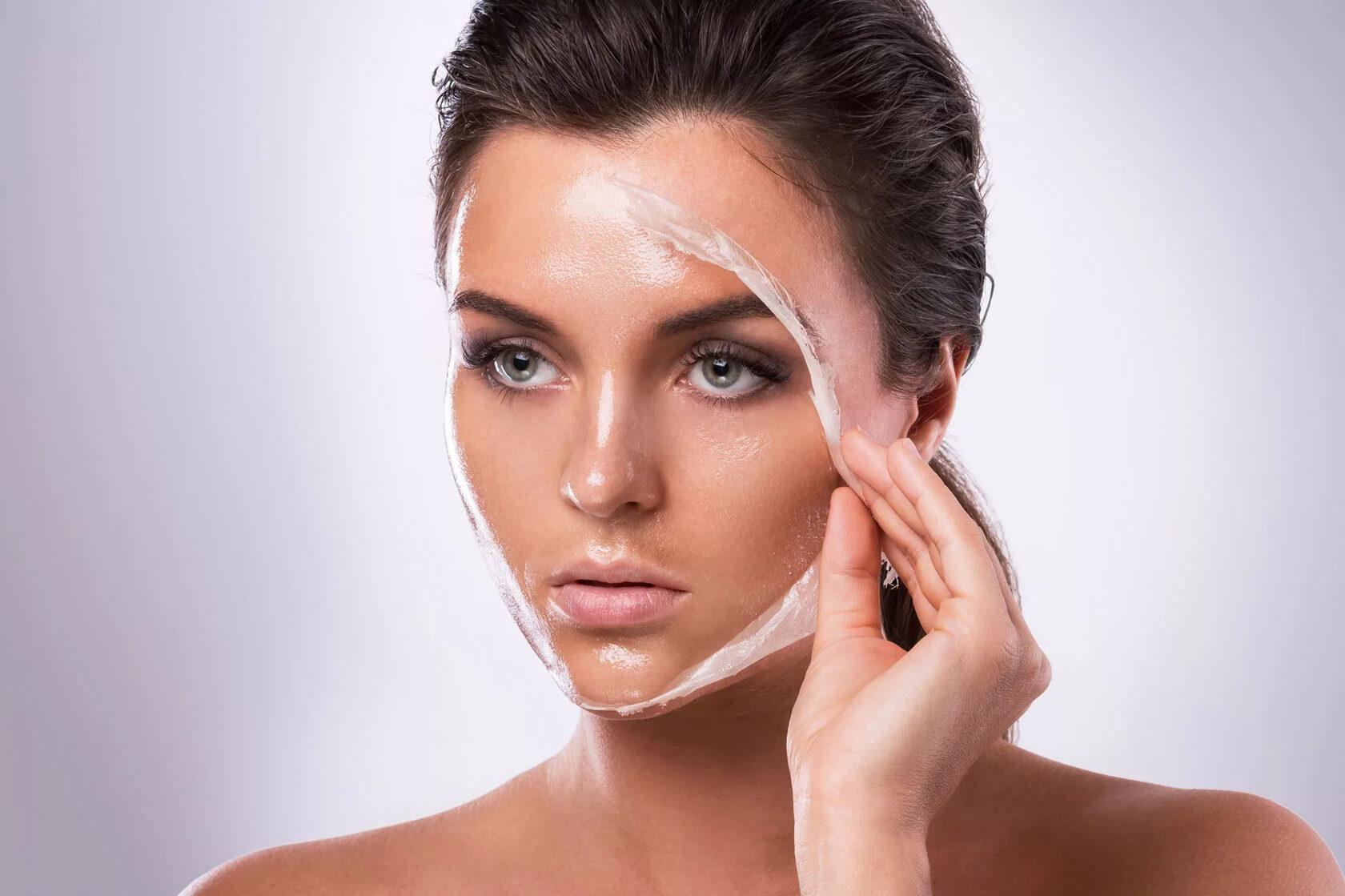
Healthy, glowing skin is a goal shared by many people, and modern skincare treatments offer various ways to improve skin texture and appearance. Among these treatments, chemical peels have gained significant popularity for addressing concerns such as acne scars, pigmentation, dullness, and uneven skin tone. As interest in Chemical Peels In Islamabad continues to grow, many individuals wonder whether this treatment is truly safe for every skin type. Understanding how chemical peels work and how they interact with different skin tones and conditions is essential before considering this cosmetic procedure.
Understanding Chemical Peels
Chemical peels are skin-resurfacing treatments that use specially formulated acids to remove damaged outer layers of skin. By encouraging the shedding of old skin cells and stimulating the growth of new ones, chemical peels can improve overall skin appearance and texture.
The treatment can be customized according to the depth of exfoliation required. Light peels target the outermost layer of skin, medium peels penetrate deeper, and deep peels provide more intensive rejuvenation. The type of peel selected depends on individual skin concerns, skin sensitivity, and desired results.
Are Chemical Peels Suitable for Every Skin Type?
The simple answer is yes, chemical peels can be safe for most skin types when properly selected and applied. However, not all peels are appropriate for everyone. Different skin types react differently to various peeling agents, making professional assessment an important part of the process.
Advancements in skincare have made chemical peels more versatile than ever. Modern formulations are designed to accommodate a wider range of skin tones and conditions, reducing the risks that were once associated with certain peel treatments.
Chemical Peels for Fair Skin
Individuals with fair skin often respond well to chemical peels because their skin generally has a lower risk of post-inflammatory hyperpigmentation. Light and medium peels can effectively address concerns such as sun damage, fine lines, acne scars, and uneven skin texture.
Since fair skin tends to show signs of aging and sun exposure more visibly, chemical peels can provide noticeable improvements by promoting fresh skin cell turnover and enhancing skin brightness.
Chemical Peels for Medium and Olive Skin Tones
Medium and olive skin tones can also benefit significantly from chemical peels when the right formulation is chosen. These skin types often experience pigmentation concerns such as melasma or post-acne marks.
Gentle peeling agents and carefully controlled treatment plans help minimize the risk of unwanted pigmentation changes. Proper preparation and aftercare play an important role in achieving safe and effective outcomes for these skin tones.
Chemical Peels for Darker Skin Tones
Historically, people with darker skin tones were advised to avoid certain chemical peels due to the risk of hyperpigmentation. Today, however, many peel formulations are specifically designed for darker complexions.
Superficial peels containing ingredients such as lactic acid, mandelic acid, and glycolic acid in controlled concentrations can provide excellent results while minimizing risks. When performed appropriately, chemical peels can improve acne, discoloration, and uneven texture without compromising skin health.
Factors That Influence Safety
The safety of a chemical peel depends on several important factors beyond skin color alone.
Skin Sensitivity
People with highly sensitive skin may require milder peeling solutions. A thorough evaluation helps determine whether a light peel is more suitable than a medium or deep peel.
Existing Skin Conditions
Conditions such as eczema, rosacea, active infections, or severe inflammation may affect eligibility for certain chemical peels. Treating underlying skin issues first often leads to safer outcomes.
Peel Strength
Not all chemical peels are created equal. Stronger peels penetrate deeper layers of skin and may involve longer recovery periods. Choosing the appropriate peel strength is crucial for safety and effectiveness.
Sun Exposure
Recent sun exposure can increase skin sensitivity and elevate the risk of complications. Proper sun protection before and after treatment is an essential component of peel safety.
Common Benefits of Chemical Peels
When tailored correctly to individual skin needs, chemical peels offer numerous benefits.
Improved Skin Texture
By removing dead skin cells, peels reveal smoother and softer skin beneath the surface.
Reduction in Pigmentation
Many people experience visible improvement in dark spots, sun damage, and uneven skin tone after a series of treatments.
Acne Control
Certain chemical peels help unclog pores, reduce oil production, and minimize acne breakouts.
Enhanced Skin Radiance
Fresh skin cells create a brighter, healthier-looking complexion that appears more youthful and refreshed.
Better Absorption of Skincare Products
After exfoliation, skincare products often penetrate more effectively, maximizing their benefits.
Potential Side Effects to Consider
Although chemical peels are generally safe, temporary side effects may occur. These commonly include redness, mild swelling, peeling, dryness, and sensitivity. Such reactions are usually expected and resolve as the skin heals.
More significant complications are uncommon when the treatment is selected appropriately for the individual's skin type. Following aftercare instructions carefully helps reduce risks and supports optimal healing.
How to Improve Safety Before and After Treatment
Proper preparation contributes significantly to treatment success. Avoiding excessive sun exposure, using recommended skincare products, and following professional guidance can help prepare the skin for treatment.
After a peel, hydration and diligent sunscreen use become especially important. Protecting newly revealed skin from UV damage helps maintain results and minimizes the likelihood of pigmentation issues.
Final Thoughts
Chemical peels have evolved into highly adaptable treatments that can benefit a wide range of skin types and tones. The key to safety lies in selecting the right peel formulation, understanding individual skin characteristics, and following appropriate pre- and post-treatment care. As awareness of Chemical Peels In Islamabad continues to increase, more people are discovering that customized chemical peel treatments can safely address various skin concerns while promoting healthier, smoother, and more radiant skin.
FAQs
Are chemical peels safe for sensitive skin?
Yes, individuals with sensitive skin can often undergo chemical peels using mild formulations specifically designed to minimize irritation. A skin assessment helps determine the most suitable option.
Can people with dark skin get chemical peels?
Yes, darker skin tones can safely receive chemical peels when appropriate acids and concentrations are selected. Modern peel formulations are designed to reduce the risk of pigmentation complications.
How long does it take to recover from a chemical peel?
Recovery depends on the depth of the peel. Light peels may require only a few days, while deeper peels can take several weeks for complete healing.
Do chemical peels hurt?
Most people experience mild tingling, warmth, or temporary discomfort during treatment. The sensation usually subsides shortly after the procedure.
Can chemical peels help with acne scars?
Yes, chemical peels can improve the appearance of mild to moderate acne scars by encouraging skin renewal and enhancing texture over time.
How often can chemical peels be performed?
The frequency depends on the type of peel and individual skin needs. Light peels may be repeated every few weeks, while deeper peels require longer intervals between treatments.

 English
 Arabic
 French
 Spanish
 Portuguese
 Deutsch
 Turkish
 Dutch
Dutch
 Italiano
 Russian
 Romaian
 Portuguese (Brazil)
 简体中文
简体中文
 日本語
日本語
 한국어
한국어
 繁体中文
繁体中文