

Next-Generation Remote Landslide Monitoring for High-Risk Areas
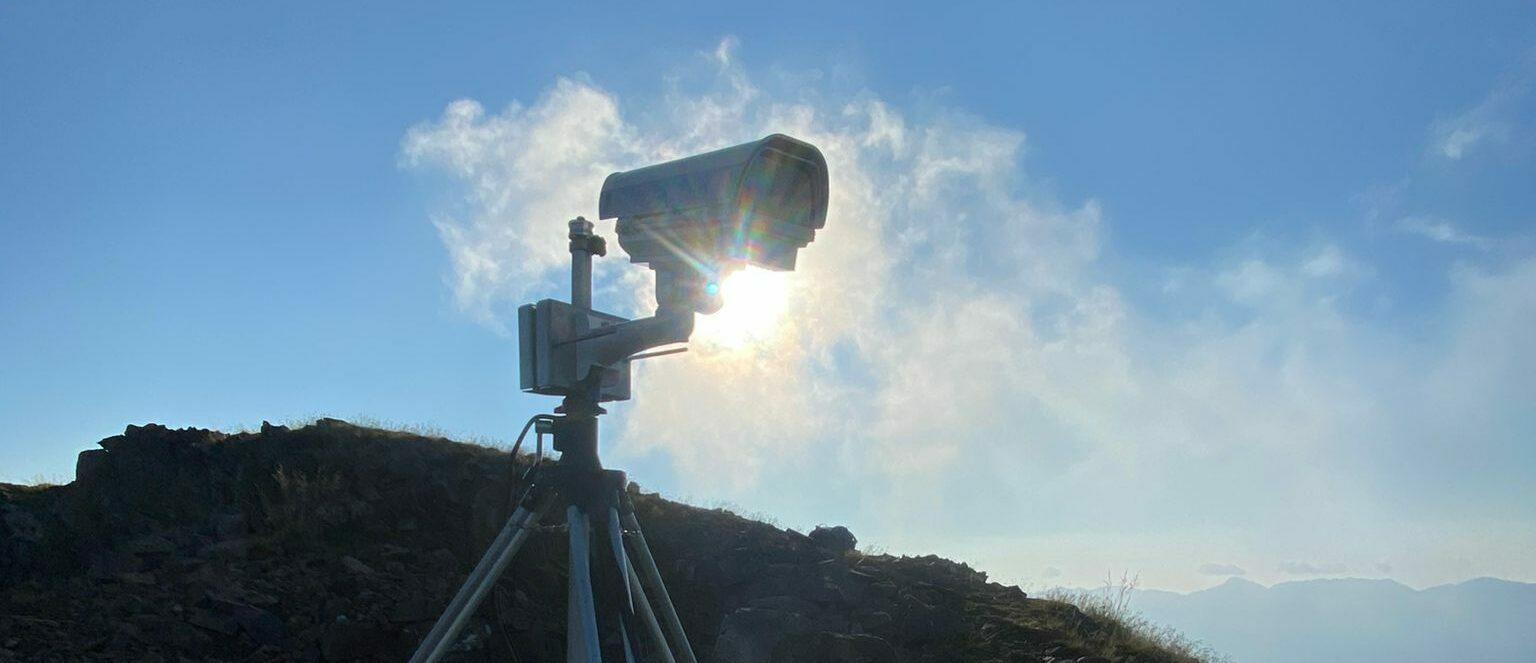
Introduction
Landslides continue to pose significant risks to infrastructure, industrial operations, and communities located in mountainous and unstable regions. Increasing rainfall, climate change, seismic activity, and human interventions have made slope failures more frequent and unpredictable. Traditional inspection methods alone are no longer sufficient to identify hazards before they escalate. Organizations require intelligent monitoring systems that provide continuous visibility into changing ground conditions.
Next-generation remote landslide monitoring combines industrial-grade sensors, Industrial IoT (IIoT) technology, cloud computing, and automated analytics to detect early signs of slope instability. These advanced solutions enable organizations to monitor remote locations in real time, respond quickly to emerging risks, and improve long-term infrastructure resilience.
Why High-Risk Areas Need Continuous Monitoring
High-risk areas such as mountainous roads, railways, mining sites, dams, pipelines, and construction zones are constantly exposed to environmental changes. Small shifts in soil or rock formations can develop into major landslides if they are not detected early.
Continuous monitoring provides several important benefits:
-
Early identification of slope instability
-
24/7 monitoring without manual intervention
-
Faster emergency response
-
Improved public and worker safety
-
Reduced maintenance costs
-
Better protection of critical infrastructure
By monitoring conditions continuously, organizations gain valuable time to implement preventive measures before a failure occurs.
Key Technologies Behind Next-Generation Monitoring
Modern landslide monitoring systems integrate multiple technologies to provide accurate and reliable environmental intelligence.
Industrial-Grade Sensors
High-performance sensors continuously measure critical geotechnical parameters, including:
-
Ground displacement
-
Slope deformation
-
Soil moisture
-
Groundwater levels
-
Rainfall intensity
-
Temperature and humidity
These sensors are designed to operate reliably in harsh outdoor environments and provide highly accurate measurements.
Industrial IoT Connectivity
Monitoring remote locations requires dependable communication. Industrial IoT technologies enable secure transmission of sensor data from the field to centralized monitoring platforms.
Communication options include:
-
4G/LTE networks
-
GSM communication
-
Satellite connectivity
-
Low-power wide-area networks (LPWAN)
These communication methods ensure uninterrupted monitoring, even in isolated locations.
Cloud-Based Monitoring Platforms
Collected data is transmitted to secure cloud platforms where engineers and decision-makers can monitor conditions remotely.
Cloud platforms offer:
-
Live monitoring dashboards
-
Historical trend analysis
-
Multi-site management
-
Automated reports
-
Secure remote access
-
Data visualization tools
Centralized monitoring simplifies operations while improving decision-making.
Intelligent Early Warning Systems
The greatest advantage of next-generation monitoring is the ability to generate automatic warnings before hazardous conditions become critical.
When predefined thresholds are exceeded, the system immediately sends notifications through:
-
SMS alerts
-
Email notifications
-
Mobile applications
-
Integrated control systems
These alerts allow organizations to inspect affected areas, deploy emergency teams, and reduce the potential impact of landslides.
Applications Across Multiple Industries
Transportation Infrastructure
Monitor slopes surrounding highways, bridges, tunnels, and railway corridors to reduce service disruptions and improve public safety.
Mining Operations
Track ground stability around open-pit mines, waste dumps, and tailings storage facilities to minimize operational risks.
Construction Projects
Continuously monitor excavation sites and unstable terrain throughout the construction lifecycle.
Water and Energy Infrastructure
Protect dams, reservoirs, hydropower plants, pipelines, and utility networks located in landslide-prone environments.
Government and Disaster Management
Support public safety initiatives with real-time environmental monitoring and early warning systems.
Benefits of Next-Generation Landslide Monitoring
Organizations implementing advanced remote monitoring solutions can achieve:
-
Real-time visibility into slope conditions
-
Faster hazard detection
-
Improved worker and community safety
-
Lower inspection and maintenance costs
-
Enhanced disaster preparedness
-
Data-driven infrastructure management
-
Increased operational reliability
-
Long-term environmental resilience
These benefits contribute to more effective risk management and improved infrastructure protection.
The Future of Remote Landslide Monitoring
Emerging technologies such as Artificial Intelligence (AI), machine learning, predictive analytics, and digital twins are transforming the way landslides are monitored. Intelligent systems can analyze historical and real-time data to identify patterns, predict potential failures, and improve the accuracy of risk assessments.
As these technologies continue to evolve, organizations will gain even greater capabilities to manage landslide risks proactively and efficiently.
Conclusion
Protecting people and infrastructure in high-risk areas requires more than periodic inspections. Continuous monitoring, real-time analytics, and automated alerts provide organizations with the information needed to respond quickly and prevent costly failures.
Next-generation remote landslide monitoring for high-risk areas combines advanced sensing technologies, Industrial IoT connectivity, cloud-based analytics, and intelligent early warning systems to deliver comprehensive slope monitoring solutions. By enabling proactive risk management, these technologies help organizations enhance safety, protect critical infrastructure, and build long-term resilience against landslide hazards.

 English
 Arabic
 Spanish
 Portuguese
 Deutsch
 Turkish
 Dutch
Dutch
 Italiano
 Russian
 Romaian
 Portuguese (Brazil)
 Greek
Greek
 简体中文
简体中文
 日本語
日本語
 한국어
한국어
 繁体中文
繁体中文