

Future Trends in Weight Loss Injections and Anti-Obesity Treatments
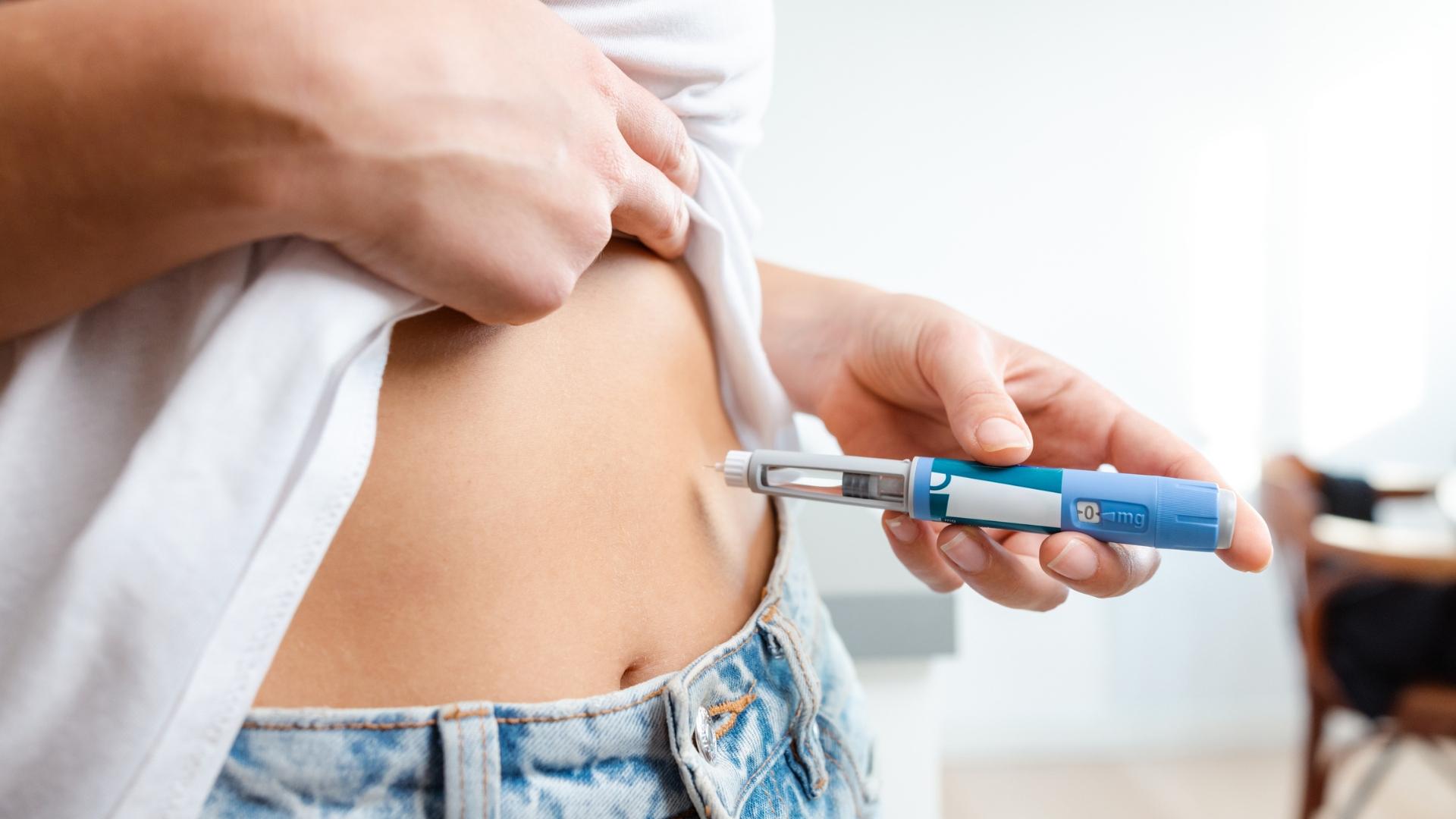
The future of obesity management is rapidly evolving, with advanced medical therapies such as Weight Loss Injections in Riyadh becoming an increasingly important part of comprehensive treatment strategies that focus on hormones, metabolism, and long-term health improvement. As scientific research progresses, these treatments are expected to become more personalized, effective, and widely accessible, transforming how obesity is managed worldwide.
Shift from Traditional to Medical Weight Management:
Obesity treatment is moving away from traditional diet-only approaches toward medically supervised interventions that address biological causes of weight gain. This shift reflects a deeper understanding of obesity as a chronic condition. Key developments include:
- Recognition of obesity as a metabolic disease
- Increased use of prescription-based therapies
- Integration of medical and lifestyle approaches
- Focus on long-term health outcomes rather than quick fixes
This evolution has paved the way for injectable weight loss treatments.
Advancements in GLP-1 and Multi-Hormone Therapies:
One of the most significant trends is the development of next-generation GLP-1 and multi-hormone medications that target multiple pathways involved in appetite and metabolism. These innovations aim to improve effectiveness and reduce side effects. Key advancements include:
- Dual and triple hormone receptor agonists
- Longer-lasting injectable formulations
- Improved appetite suppression mechanisms
- Enhanced fat metabolism and energy regulation
These therapies are expected to significantly improve weight loss outcomes.
Personalization of Obesity Treatments:
Future weight loss treatments will be highly personalized, based on individual genetics, metabolism, and lifestyle factors. This precision medicine approach will improve both safety and effectiveness. Key personalization trends include:
- Genetic testing for treatment response prediction
- Customized dosage adjustments
- AI-driven treatment planning
- Hormonal and metabolic profiling
- Individualized combination therapy plans
Personalized treatments will ensure better long-term success.
Integration of Artificial Intelligence and Digital Health:
Technology is playing a major role in shaping the future of weight loss treatments, particularly through AI and digital monitoring tools. These technologies help track progress and optimize treatment plans. Key innovations include:
- Mobile apps for tracking weight and appetite
- AI systems predicting treatment outcomes
- Smart reminders for medication adherence
- Remote monitoring by healthcare providers
- Data-driven adjustments for better results
This improves patient engagement and treatment efficiency.
Expansion of Combination Treatment Approaches:
Future obesity management will increasingly rely on combination therapies that integrate injections with lifestyle and behavioral interventions. This holistic approach targets multiple aspects of weight gain. Common combinations include:
- Medical injections with dietary programs
- Exercise and fitness integration
- Psychological support for behavioral change
- Metabolic boosters alongside hormone therapy
- Long-term coaching and lifestyle support
Programs such as Weight Loss Injections in Riyadh already reflect this integrated model.
Improved Safety and Reduced Side Effects:
Pharmaceutical advancements are focusing on improving safety profiles and reducing side effects associated with weight loss injections. These improvements will make treatments more accessible and tolerable. Key developments include:
- Reduced gastrointestinal side effects
- Gradual dose escalation protocols
- Better drug delivery systems
- Improved compatibility with chronic conditions
- More stable hormonal regulation
These enhancements will increase patient adherence.
Preventive Use of Weight Loss Injections:
A growing trend in obesity treatment is the preventive use of metabolic therapies for individuals at high risk of weight gain. This proactive approach aims to reduce long-term health complications. Key preventive strategies include:
- Early metabolic risk screening
- Use in pre-obesity stages
- Integration with lifestyle prevention programs
- Continuous weight monitoring systems
- Early intervention to prevent chronic disease
This marks a shift from treatment to prevention.
Global Accessibility and Healthcare Integration:
As demand for obesity treatments grows, weight loss injections are becoming more widely available across healthcare systems worldwide. Accessibility is improving through multiple channels. Key trends include:
- Expansion into more countries and regions
- Increased insurance coverage options
- Lower long-term treatment costs
- Wider availability in clinics and hospitals
- Standardized global treatment guidelines
This ensures broader access to modern therapies.
Long-Term Weight Maintenance Strategies:
Maintaining weight loss after treatment is one of the biggest challenges in obesity care, and future strategies are focusing heavily on long-term sustainability. Key approaches include:
- Maintenance dosing schedules
- Continuous behavioral support
- Metabolic monitoring programs
- Digital health tracking systems
- Post-treatment follow-up care
These strategies aim to prevent weight regain.
Ethical and Regulatory Developments:
As treatments advance, regulatory frameworks are evolving to ensure safe and responsible use of weight loss injections. Ethical considerations are also becoming more important. Key areas include:
- Regulation of off-label use
- Ensuring equitable access to treatment
- Monitoring long-term safety outcomes
- Preventing misuse for cosmetic-only purposes
- Establishing global clinical guidelines
These frameworks protect patient safety and treatment integrity.
Future Outlook for Obesity Treatment:
The future of obesity management will be highly integrated, combining medical, technological, and behavioral approaches to create comprehensive care systems. Weight loss injections will remain central but not standalone. Key expectations include:
- Highly personalized treatment plans
- Integration of AI and wearable technology
- Greater focus on prevention strategies
- Improved long-term success rates
- Holistic metabolic health management
Final Thoughts:
The future of anti-obesity treatments is shifting toward precision medicine, technological innovation, and long-term health optimization. Weight loss injections will continue to play a key role, but their effectiveness will be maximized when combined with personalized care and lifestyle support. As research advances, treatments like Weight Loss Injections in Riyadh will become more refined, accessible, and central to comprehensive obesity management strategies focused on sustainable health outcomes.

 English
 Arabic
 French
 Spanish
 Portuguese
 Deutsch
 Turkish
 Dutch
Dutch
 Italiano
 Russian
 Romaian
 Portuguese (Brazil)
 Greek
Greek
 简体中文
简体中文
 日本語
日本語
 繁体中文
繁体中文