

Key points for maintaining the insulation performance of the Plasma surgery system in a humid environment
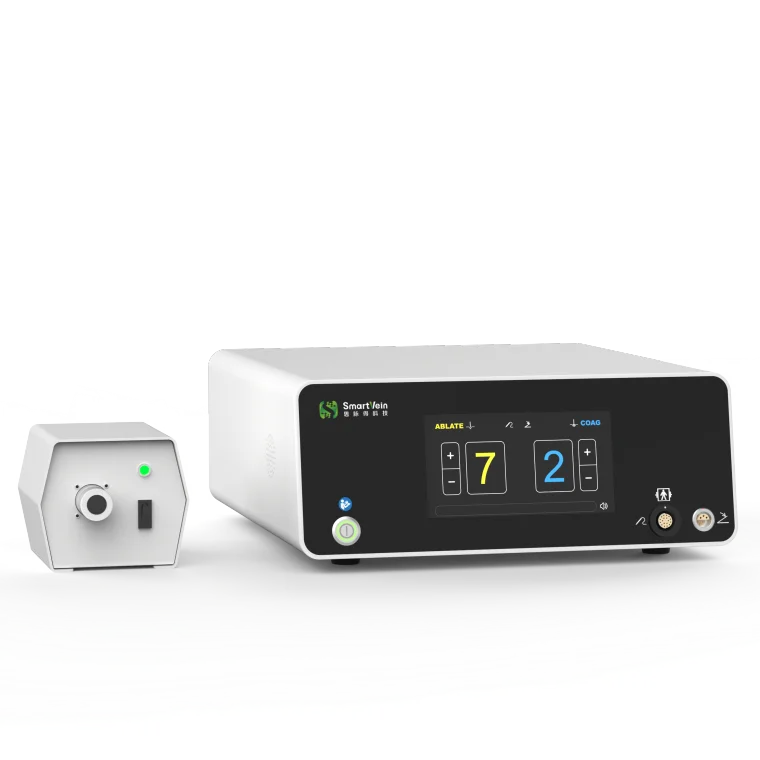
Plasma surgery systems have become indispensable in modern operating rooms thanks to their precision, minimal thermal damage, and reliable surgical performance. However, maintaining electrical insulation becomes increasingly challenging in humid environments. Excessive moisture can reduce dielectric strength, accelerate insulation aging, encourage microbial growth, and increase the likelihood of leakage currents or unstable plasma discharge.
When the relative humidity exceeds 60%, components such as electrode handles, cables, and electrical interfaces become more susceptible to insulation degradation. Without appropriate preventive measures, these issues may compromise equipment performance, shorten service life, and potentially create safety risks for both patients and medical personnel.
Establishing a comprehensive insulation maintenance strategy—including environmental control, routine inspection, performance testing, and emergency response—is essential for ensuring long-term system reliability.
Why Humidity Affects Plasma Surgery System Insulation
Humidity is one of the primary environmental factors influencing the electrical safety of plasma surgical equipment. Moisture can penetrate insulating materials, reduce insulation resistance, and increase surface conductivity. Condensation forming on electrical components further raises the risk of leakage current and insulation breakdown.
Typical consequences include:
- Increased leakage current
- Unstable plasma excitation
- Premature aging of insulation materials
- Reduced dielectric strength
- Equipment alarms and unexpected shutdowns
- Higher maintenance costs
For healthcare facilities located in tropical, coastal, or rainy regions, humidity management should be considered an essential part of equipment maintenance rather than an optional precaution.
1. Control Operating Room Humidity to Protect Insulation
Environmental management is the first line of defense against insulation deterioration.
Maintain Proper Humidity Levels
During normal operation, the operating room's relative humidity should remain between 40% and 60%, following the recommendations of GB 50333-2013 Technical Code for Clean Operating Rooms in Hospitals. Whenever possible, humidity should be maintained below 50% in areas that experience prolonged periods of high moisture.
Hospitals can achieve this by using:
- Independent dehumidifiers
- HVAC systems with humidity control
- Continuous environmental monitoring systems
After surgical procedures, keeping the dehumidification system running for approximately 30 minutes helps remove residual moisture before condensation forms on equipment surfaces.
Protect the Equipment's Local Environment
In addition to room humidity, the immediate surroundings of the plasma system deserve attention.
Recommended practices include:
- Covering unused sections of the equipment with waterproof sterile drapes during surgery
- Positioning the main unit away from irrigation containers, suction devices, and other water sources
- Elevating the equipment at least 10 cm above the floor using waterproof supports
During winter or in heavily air-conditioned operating rooms, allowing the equipment to remain powered in standby mode for around 30 minutes before use helps prevent condensation caused by rapid temperature changes.
2. Prevent Moisture During Storage and Transportation
Even when the equipment is not in use, improper storage conditions can significantly reduce insulation performance over time.
Proper Storage Conditions
Electrodes, cables, and handles should be stored in moisture-controlled cabinets with humidity maintained below 30%. Silica gel desiccants should be inspected regularly and replaced whenever saturation indicators change color.
The plasma system itself should be stored in:
- Dry, well-ventilated equipment rooms
- Areas elevated from the floor
- Locations away from damp walls
- Clean environments free from condensation
Basements and outdoor storage areas should always be avoided.
Moisture Protection During Transportation
Before transportation, all electrical interfaces should be fitted with waterproof protective caps.
For long-distance shipping, temperature- and humidity-controlled transportation is recommended, ideally maintaining:
- Temperature: 20–25°C
- Relative humidity: ≤50%
Sealed transport containers containing fresh desiccants provide additional protection against moisture intrusion.
3. Daily Inspection Before and After Equipment Use
Routine inspections allow potential insulation problems to be identified before they become serious failures.
Pre-Operation Inspection
Before each procedure, operators should verify that:
- No water stains or mold are present on electrodes
- Handle insulation remains smooth without cracks or discoloration
- Cable connectors are completely dry
- No condensation is visible on electrical interfaces
If necessary, connectors can be cleaned using lint-free swabs lightly moistened with anhydrous ethanol.
Where available, the equipment's built-in insulation self-test should also be performed before clinical use.
Post-Operation Cleaning
After surgery, proper cleaning helps preserve insulation integrity.
Recommended procedures include:
- Cleaning external surfaces with approved neutral disinfectants
- Avoiding high-pressure sprays that could force moisture into electrical components
- Wiping electrodes and handles with sterile gauze soaked in 75% ethanol
- Allowing components to air dry naturally before storage
Once completely dry, protective caps should be installed on all exposed electrical interfaces.
4. Perform Regular Insulation Performance Testing
Environmental control alone cannot guarantee insulation integrity. Periodic electrical testing is essential for confirming equipment safety.
Recommended Testing Frequency
- Normal environments: every three months
- High-humidity environments: monthly
Testing frequency should also increase during rainy seasons or periods of consistently elevated humidity.
Common Testing Instruments
Typical inspection equipment includes:
- 500 V DC insulation resistance tester (megohmmeter)
- Medical electrical safety analyzer
- High-voltage withstand tester
Testing procedures should comply with applicable medical electrical safety standards, including GB 9706.1-2020.
Key Components to Evaluate
Critical inspection points include:
- Electrode insulation
- Cable insulation
- Electrical connectors
- Main unit output ports
- Handle insulation layers
In humid environments, insulation resistance values greater than 5 MΩ are generally recommended to provide an adequate safety margin.
5. Respond Quickly to Insulation Failures
Recognizing early warning signs can prevent equipment damage and improve clinical safety.
Common indicators include:
- Leakage current alarms
- Insulation fault warnings
- Unstable plasma output
- Tingling sensation during operation
- Visible condensation
- Burn marks or insulation discoloration
Whenever these symptoms appear, equipment operation should stop immediately.
Emergency Response
Recommended actions include:
- Disconnect power immediately.
- Remove all electrodes and accessories.
- Move the equipment to a dry environment with humidity below 40%.
- Dry external surfaces using cool airflow only.
- Arrange inspection by qualified service engineers.
Heating devices should never be used to accelerate drying, as excessive temperatures may permanently damage insulation materials.
Any component whose insulation resistance falls below acceptable limits should be replaced with original manufacturer parts rather than repaired.
6. Build a Long-Term Maintenance Program
Effective insulation protection depends on both technology and management.
Operator Training
Medical personnel should understand:
- The effects of humidity on electrical insulation
- Warning signs of insulation failure
- Proper cleaning and drying procedures
- Correct equipment startup under varying environmental conditions
Routine awareness training helps reduce operational errors that may contribute to insulation degradation.
Maintenance Documentation
Comprehensive maintenance records should include:
- Inspection dates
- Environmental temperature and humidity
- Insulation resistance measurements
- Withstand voltage test results
- Component replacement history
Maintaining long-term records allows hospitals to identify performance trends and implement preventive maintenance before failures occur.
Best Practices for Maintaining Plasma Surgery Systems in Humid Conditions
To maximize equipment reliability, healthcare facilities should adopt a maintenance strategy that combines environmental control, preventive inspection, routine testing, and timely maintenance.
Key recommendations include:
- Maintain operating room humidity between 40% and 60%
- Store equipment in dry, humidity-controlled environments
- Inspect insulation before every clinical procedure
- Increase electrical safety testing during humid seasons
- Respond immediately to leakage or insulation alarms
- Keep detailed maintenance records for long-term equipment management
Conclusion
Humidity is one of the most significant environmental threats to the electrical insulation performance of plasma surgery systems. Without effective moisture control, insulation materials may deteriorate, increasing the risk of leakage currents, unstable plasma generation, and equipment failure.
By combining strict humidity management, standardized cleaning procedures, routine insulation testing, and comprehensive preventive maintenance, healthcare institutions can significantly extend equipment service life while ensuring safe and reliable surgical performance.
A proactive maintenance strategy not only protects valuable medical equipment but also supports clinical efficiency and, most importantly, enhances patient safety during every surgical procedure.

 English
 Arabic
 French
 Spanish
 Portuguese
 Deutsch
 Turkish
 Dutch
Dutch
 Italiano
 Russian
 Romaian
 Portuguese (Brazil)
 Greek
Greek
 简体中文
简体中文
 한국어
한국어
 繁体中文
繁体中文