

How Many HIFU Sessions Do You Really Need?
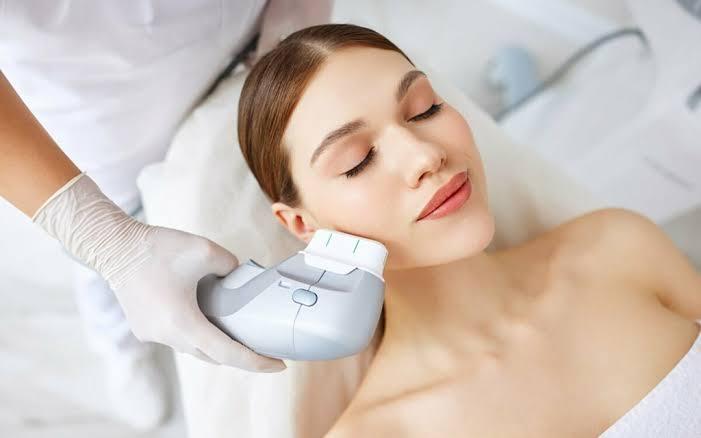
Non-surgical skin tightening treatments have become increasingly popular for individuals seeking effective anti-aging solutions without downtime. One of the most commonly asked questions in aesthetic medicine is how many sessions are actually required for visible results, especially for those considering HIFU Treatment Riyadh. High-Intensity Focused Ultrasound (HIFU) is designed to stimulate collagen production deep within the skin, but the number of sessions needed can vary depending on age, skin condition, and treatment goals.
Understanding How HIFU Works:
HIFU, or High-Intensity Focused Ultrasound, is a non-invasive procedure that delivers focused ultrasound energy into the deeper layers of the skin. This energy creates controlled thermal points that stimulate the body’s natural healing response, leading to gradual collagen regeneration and skin tightening. Unlike surface treatments, HIFU targets structural layers responsible for firmness and lift, making it effective for facial contouring and anti-aging improvement without surgery or downtime.
Why Session Numbers Matter in HIFU Treatment:
The number of HIFU sessions required is not the same for everyone because skin aging is influenced by multiple biological and lifestyle factors. While some individuals may see noticeable results after a single session, others may need additional treatments to achieve optimal outcomes.
Factors that influence session requirements include:
- Age and natural collagen levels.
- Severity of skin laxity.
- Treatment area (face, neck, jawline).
- Skin thickness and elasticity.
- Individual healing response.
- Lifestyle habits such as smoking and sun exposure.
Typical Number of HIFU Sessions Needed:
In most cases, HIFU is designed as a single-session treatment with long-lasting effects, but this depends on the patient’s condition and goals. Some individuals benefit from maintenance or follow-up sessions to enhance or prolong results.
General guidelines include:
- Mild skin laxity: 1 session may be sufficient.
- Moderate skin aging: 1–2 sessions spaced months apart.
- Advanced laxity: 2–3 sessions may be recommended.
- Maintenance: 1 session every 12–18 months.
Most patients notice gradual improvement over time rather than immediate changes.
What Happens After a Single HIFU Session:
A single HIFU session can deliver noticeable tightening effects, but the full impact develops gradually as collagen production increases. The skin continues to improve for several weeks to months following treatment, making it important to understand the delayed nature of results.
After one session, patients typically experience:
- Mild immediate tightening sensation.
- Gradual improvement over 4–12 weeks.
- Enhanced skin firmness and elasticity.
- Subtle lifting of facial contours.
For many individuals, this single session is sufficient for visible rejuvenation.
When Multiple HIFU Sessions Are Needed:
While HIFU is often effective in one session, some patients require additional treatments depending on their skin condition and aesthetic goals. Multiple sessions are usually recommended when there is more advanced aging or when stronger lifting effects are desired.
Situations where more sessions may be needed:
- Significant skin laxity or sagging.
- Deep wrinkles or pronounced folds.
- Older age groups with reduced collagen production.
- Desire for enhanced or more dramatic results.
- Maintenance of previous cosmetic procedures.
In such cases, treatment plans are customized for best outcomes.
Ideal Treatment Frequency for Best Results:
The timing between HIFU sessions is just as important as the number of sessions. Because collagen remodeling takes time, treatments are typically spaced to allow the skin to fully respond and regenerate.
Recommended spacing includes:
- 6–12 months between sessions for most patients.
- 3–6 months in cases requiring corrective treatment.
- Annual maintenance for long-term skin tightening.
- Adjustments based on individual response and goals.
Proper spacing ensures optimal collagen development and natural-looking results.
Factors That Affect Treatment Response:
Not all individuals respond to HIFU in the same way, and several internal and external factors influence how quickly and effectively results appear. Understanding these helps set realistic expectations for treatment outcomes.
Key influencing factors include:
- Natural collagen production rate.
- Skin hydration and health.
- Sun exposure and UV damage history.
- Smoking and alcohol consumption.
- Consistency of skincare routine.
- Overall lifestyle and diet.
Patients with healthier skin habits often achieve faster and longer-lasting results.
Areas That May Require More Than One Session:
Certain facial and body areas may respond differently to HIFU due to variations in skin thickness and fat distribution. As a result, some regions may require additional sessions for optimal tightening.
Common areas include:
- Lower face and jawline.
- Neck with moderate sagging.
- Under-chin region.
- Cheeks with volume loss.
- Body areas with mild laxity.
Practitioners often tailor the number of sessions based on each area’s response.
Comparing Single vs Multiple HIFU Sessions:
Understanding the difference between single and multiple sessions helps patients make informed decisions about their treatment plans. While a single session may be sufficient for many, additional treatments can enhance results.
Comparison overview:
- Single session: Suitable for mild aging and preventive care.
- Multiple sessions: Better for moderate to advanced aging.
- Single session: Lower cost and minimal commitment.
- Multiple sessions: More gradual but enhanced improvements.
- Both approaches: Rely on collagen stimulation for results.
Clinics offering HIFU Treatment Riyadh often assess patients individually to determine the ideal plan.
How to Maximize Results from Fewer Sessions:
Patients can improve their outcomes and potentially reduce the need for multiple sessions by adopting healthy habits and proper aftercare. Supporting the skin’s natural healing process is essential for long-term success.
Helpful strategies include:
- Staying well-hydrated daily.
- Using sunscreen consistently.
- Maintaining a nutrient-rich diet.
- Avoiding smoking and excessive alcohol.
- Following a dermatologist-approved skincare routine.
- Maintaining a stable weight.
These habits help enhance collagen production and prolong results.
Safety and Recovery Between Sessions:
HIFU is known for its strong safety profile and minimal recovery requirements. Most patients can return to daily activities immediately after treatment, making it a convenient option for busy individuals. When multiple sessions are planned, the skin is given adequate time to heal and respond naturally between treatments.
Recovery expectations include:
- No significant downtime after sessions.
- Mild redness or sensitivity for a short period.
- Gradual improvement without interruption of daily life.
- Safe repetition when spaced correctly.
This makes HIFU suitable for long-term aesthetic maintenance.
Final Thoughts:
The number of HIFU sessions required varies significantly depending on individual skin condition, age, and treatment goals. While many people achieve satisfying results after a single session, others may benefit from additional treatments for enhanced or longer-lasting improvements. Ultimately, HIFU works best as a personalized approach to skin tightening, where collagen stimulation continues to improve the skin over time, making it a reliable option for non-surgical rejuvenation and modern aesthetic care.

 English
 Arabic
 French
 Spanish
 Portuguese
 Deutsch
 Dutch
Dutch
 Italiano
 Russian
 Romaian
 Portuguese (Brazil)
 Greek
Greek
 简体中文
简体中文
 日本語
日本語
 한국어
한국어
 繁体中文
繁体中文