

Drainage Bag Factory Bandage Manufacturer Sztexnet Guide
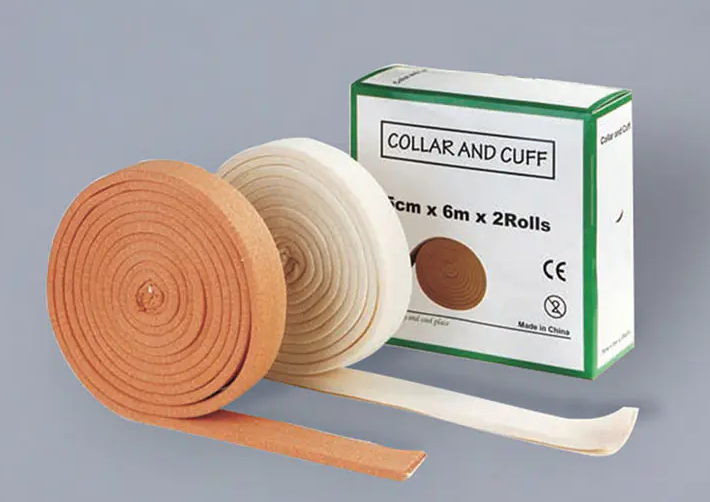
In healthcare supply chains, product consistency and practical design are important when selecting everyday medical products. A reliable Bandage Manufacturer can support distributors with wound-care products designed for different application needs, while a capable Drainage Bag Factory focuses on organized production and suitable product configurations for fluid collection applications. When comparing a Bandage Manufacturer and a Drainage Bag Factory, buyers should look beyond basic product appearance and consider material selection, production processes, packaging, quality management, storage requirements, and supply coordination. Understanding these factors can make sourcing decisions more practical and help healthcare product distributors build a stable product portfolio.
Understanding Different Medical Product Requirements
Bandages and drainage bags serve different purposes, so their design and production requirements are naturally different.
Bandages are generally associated with wound care and protection. Depending on the intended application, products may vary in material, size, flexibility, absorbency, adhesive characteristics, or packaging format.
Drainage bags, on the other hand, are designed for fluid collection and require attention to bag structure, connection components, sealing performance, capacity, and ease of handling.
For buyers, understanding these differences is important when building product specifications. A product intended for frequent handling may need a different design approach from one used in a controlled clinical environment.
Packaging is another consideration. Individual or grouped packaging can influence storage, transportation, and distribution procedures.
Clear product information can also make purchasing easier. Specifications should provide enough detail for buyers to understand intended use, dimensions, materials, and packaging arrangements.
Rather than selecting products only according to appearance, procurement teams can evaluate how each product fits the practical requirements of their distribution channels.
Production Processes and Material Selection
Material selection has a direct relationship with product performance. Medical products need materials that are suitable for their intended applications and compatible with the relevant manufacturing process.
For bandage products, material characteristics can influence flexibility, comfort, absorbency, adhesion, and handling. Different applications may call for different combinations of materials.
Drainage bags require careful attention to film properties, connection components, sealing areas, and overall construction. The selected materials should support the intended function of the finished product.
Manufacturing processes should also be organized around consistent production. Standardized procedures can help reduce unnecessary variation between batches.
Equipment condition matters as well. Production machinery should be maintained regularly so that processing remains stable during repeated manufacturing cycles.
Clean working areas are especially important in medical product manufacturing. Organized production environments can make inspection, handling, and packaging procedures easier to manage.
Material storage should not be overlooked. Raw materials need suitable storage conditions and clear identification so that production teams can manage inventory efficiently.
A structured approach to materials and manufacturing can support more consistent products and simplify quality checks.
Sztexnet Manufacturing and Quality Management
For buyers, quality management is an important part of supplier evaluation. Medical product sourcing often involves repeat orders, making stable production practices valuable for long-term cooperation.
Quality checks can be performed at different stages of manufacturing. Incoming materials may be inspected before production, while finished products can be reviewed before packaging and shipment.
For bandage products, checks may involve dimensions, appearance, material condition, packaging, and other product-specific characteristics.
For drainage bags, inspection can focus on sealing areas, connections, overall structure, appearance, and packaging integrity.
Production records can also provide useful information. Batch identification allows manufacturers and buyers to organize products more systematically and investigate issues when necessary.
Packaging inspections are equally important. Damaged or improperly sealed packaging can create unnecessary problems during transportation and storage.
A clear quality management process should involve production workers, inspection personnel, warehouse teams, and management rather than relying on a single final inspection.
For distributors, asking suppliers about production procedures, inspection arrangements, packaging methods, and documentation can provide useful information before placing larger orders.
Packaging, Storage, and Supply Planning
Medical products often pass through several stages before reaching their final users. Packaging and storage therefore deserve attention during procurement.
Bandages may be supplied in individual packages, sets, boxes, or other formats depending on the product and distribution requirements. The packaging should make products easy to identify and handle.
Drainage bags may also require packaging that protects the product and its components during transportation.
Warehouse organization can influence supply efficiency. Products should be clearly identified, separated appropriately, and stored according to their recommended conditions.
Inventory planning is another practical issue. Distributors should consider expected demand, order frequency, transportation schedules, and available warehouse space.
Large purchases may reduce the frequency of replenishment, but excessive inventory can create storage pressure. A balanced purchasing plan can help companies maintain suitable stock without unnecessary accumulation.
Transportation arrangements should also be considered. Packaging needs to provide suitable protection during normal handling and shipping.
For international buyers, documentation and labeling requirements may also influence purchasing procedures. These details should be confirmed before production and shipment to reduce avoidable delays.
Good supply planning connects manufacturing capacity with real market demand.
Building Reliable Long-Term Supplier Relationships
A medical product supplier should be evaluated not only by individual products but also by its ability to support ongoing cooperation.
Communication is an important starting point. Buyers need clear channels for discussing product specifications, packaging requirements, order quantities, production schedules, and shipping arrangements.
Response time can also influence purchasing efficiency. When specifications change or questions arise, timely communication helps both sides coordinate production.
Consistency across repeat orders is another valuable consideration. Buyers may need products with similar specifications over an extended period, making production control particularly important.
Customization may also be relevant for some distributors. Packaging formats, labeling, dimensions, or product configurations may vary according to market requirements.
Before starting long-term cooperation, buyers can evaluate samples, technical information, packaging details, production capabilities, and quality procedures.
A good supplier relationship is built through clear specifications and realistic expectations. Both parties benefit when product requirements are confirmed before production begins.
For healthcare distributors and importers, this approach can make sourcing more organized and reduce uncertainty during repeated purchasing cycles.
Choosing medical products requires attention to more than individual specifications. Material selection, manufacturing procedures, inspection, packaging, storage, transportation, and communication all influence the overall sourcing experience. By evaluating suppliers from both product and production perspectives, buyers can make more informed decisions and establish a purchasing process suited to their market. For more information about medical and healthcare product solutions, visit https://www.sztexnet.com/ .

 English
 Arabic
 French
 Spanish
 Portuguese
 Deutsch
 Turkish
 Dutch
Dutch
 Italiano
 Russian
 Romaian
 Greek
Greek
 简体中文
简体中文
 日本語
日本語
 한국어
한국어
 繁体中文
繁体中文