

Soy Yarn in Practice: Properties, Processing, and Market Advantages
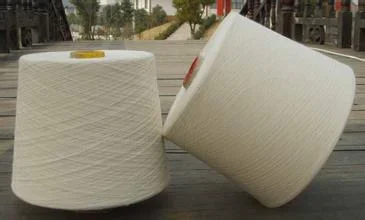
As the global textile industry accelerates its shift toward sustainable and responsible materials, soy yarn has gained attention as a regenerated protein fiber that balances environmental value with practical performance. Derived from soybean protein by-products, soy yarn offers a differentiated alternative to conventional natural and synthetic fibers, particularly in comfort-driven and eco-conscious textile applications. Suppliers such as ASIN play a key role in translating this material from concept to scalable industrial use.
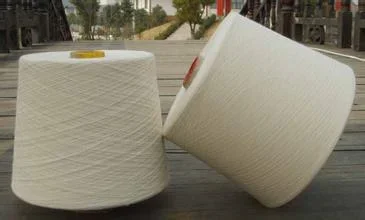
Material Composition and Fiber Structure
Soy yarn is produced from defatted soybean meal through a controlled regeneration process that converts soy protein into spinnable fiber. From a technical perspective, it belongs to the category of regenerated protein fibers, which explains its uniform fiber structure, consistent linear density, and compatibility with modern spinning systems. These characteristics contribute to stable yarn quality and predictable processing behavior.
Softness and Skin-Friendly Performance
One of the most notable characteristics of soy yarn is its exceptional softness. The smooth fiber surface reduces friction against the skin, resulting in a hand feel often compared to silk or cashmere. This makes soy yarn particularly suitable for next-to-skin products such as underwear, loungewear, baby apparel, and lightweight knitwear where comfort is a primary requirement.
Moisture Absorption and Breathability
Soy yarn demonstrates good moisture absorption and release, allowing garments to maintain a balanced microclimate during wear. Compared with many synthetic fibers, it offers improved breathability, helping to reduce discomfort caused by heat and humidity. This property enhances its suitability for casual apparel, sleepwear, and seasonless textile products.
Dyeability and Color Consistency
Thanks to its protein-based molecular structure, soy yarn shows strong affinity for common textile dyes, including reactive and acid dye systems. This results in uniform coloration, improved color depth, and reduced risk of uneven dyeing. For manufacturers, efficient dye uptake can also support process stability and consistent visual quality across production batches.
Sustainability Considerations and Resource Efficiency
A key advantage of soy yarn lies in its use of agricultural by-products from soybean processing. By converting residual soy protein into textile fiber, material waste is reduced and overall resource efficiency is improved. Under appropriate conditions, soy yarn is biodegradable, offering an end-of-life advantage over petroleum-based fibers. ASIN focuses on controlled sourcing and production to balance environmental considerations with performance requirements.
Blending and Processing Compatibility
In commercial textile production, soy yarn is often blended with fibers such as cotton, viscose, modal, or wool. These blends enhance tensile strength, dimensional stability, and durability while retaining the softness and comfort associated with soy fiber. Soy yarn can be processed using standard ring spinning or compact spinning systems, provided that humidity and tension are properly controlled.
Typical Application Areas
Soy yarn is widely used in apparel and home textile applications, including T-shirts, underwear, sleepwear, sweaters, bedding, and lightweight decorative textiles. Its combination of comfort, aesthetics, and sustainability makes it particularly attractive for brands seeking differentiation in environmentally responsible product lines.
Commercial Outlook and Supplier Value
While soy yarn is not intended to replace mainstream fibers entirely, it occupies a strategic niche in the textile market. Growing demand for sustainable materials, coupled with consumer awareness of fiber origin, continues to support its adoption. With experienced suppliers such as ASIN, soy yarn is increasingly recognized as a commercially viable material rather than a niche experiment.
Conclusion
Soy yarn represents a practical convergence of material innovation and responsible manufacturing. Its softness, moisture performance, dyeability, and sustainability profile make it suitable for a wide range of textile applications. Supported by reliable production capabilities and quality control from ASIN, soy yarn offers manufacturers a flexible and future-oriented option within modern fiber portfolios.
http://www.asinyarn.com/soy-yarn-in-practice-properties-processing-and-market-advantages.html

 English
 Arabic
 French
 Spanish
 Portuguese
 Deutsch
 Turkish
 Dutch
Dutch
 Russian
 Romaian
 Portuguese (Brazil)
 Greek
Greek
 简体中文
简体中文
 日本語
日本語
 한국어
한국어
 繁体中文
繁体中文