

The Role of Railroad Clamps in Long-Term Rail Safety
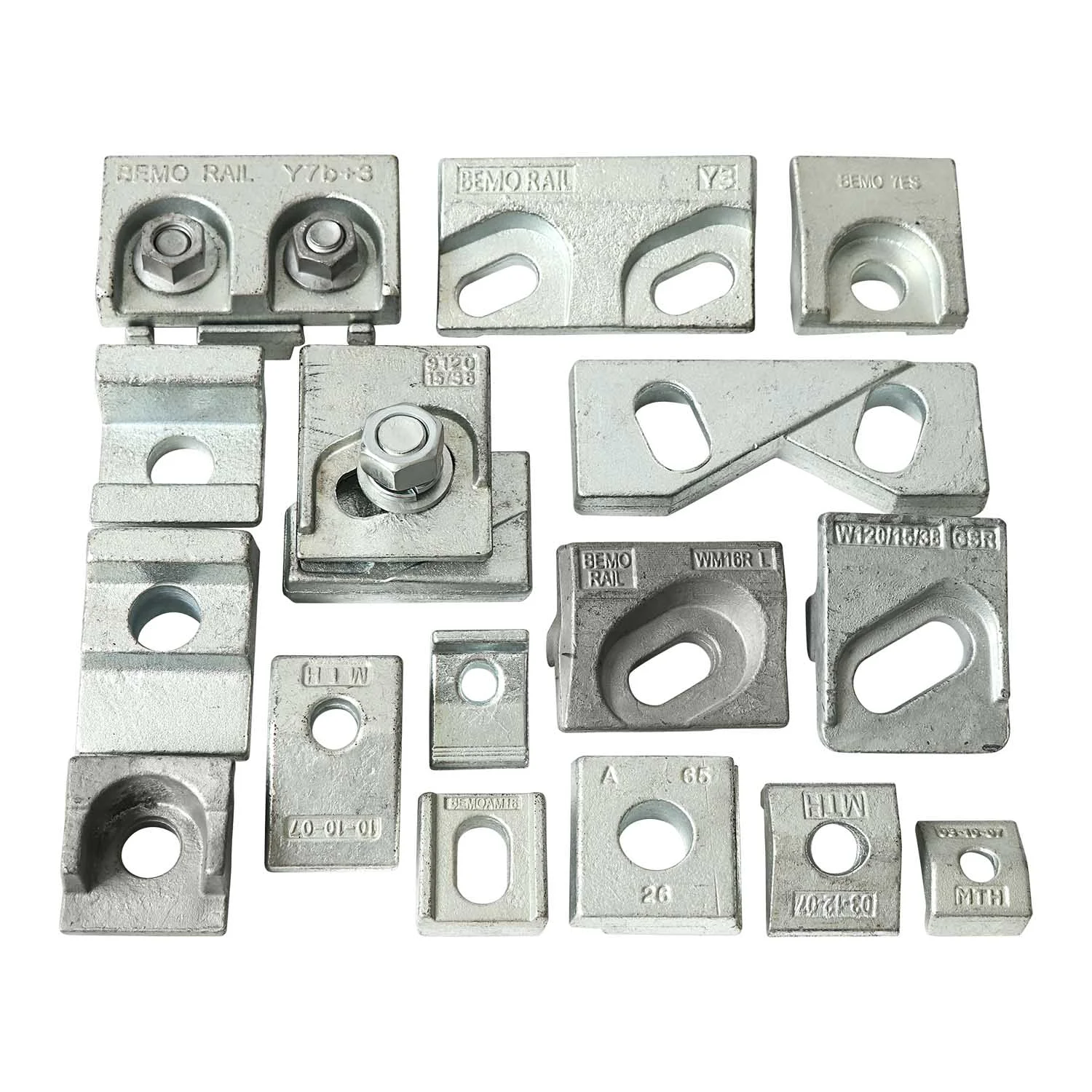
Railway systems operate under extreme mechanical stress, environmental exposure, and safety requirements. At the center of this system lies a component that is often overlooked but critically important: the railroad clamp. Designed to secure rails firmly to sleepers or track structures, railroad clamps play a decisive role in maintaining gauge stability, vibration control, and long-term track integrity.
As rail networks expand and modernize worldwide, demand for high-performance fastening systems has increased significantly. Manufacturers such as HuiBo Railway contribute to this evolution by delivering railroad clamps engineered for durability, precision, and compliance with international rail standards.
Understanding the Function of a Railroad Clamp in Track Systems
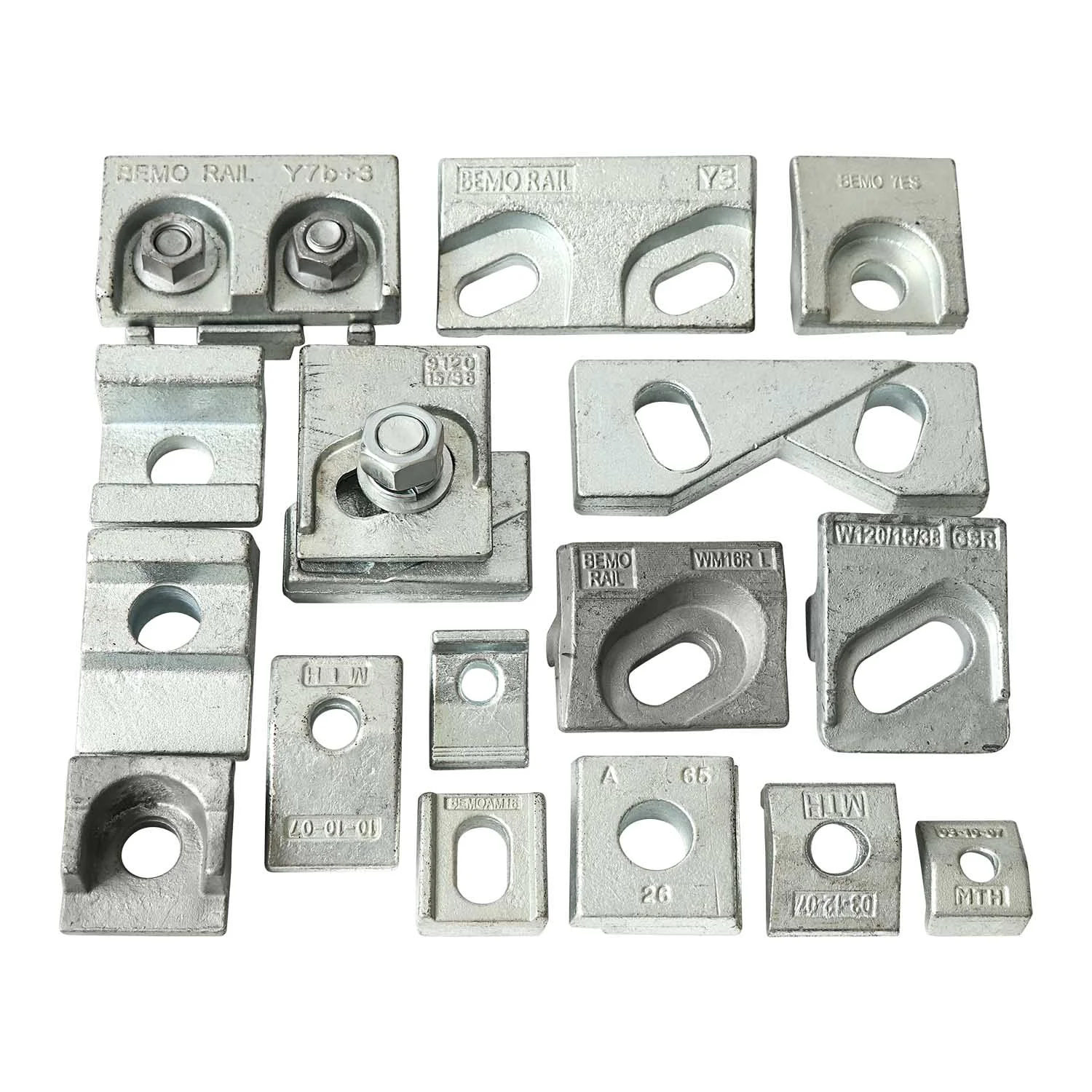
A railroad clamp is a mechanical fastening component used to fix rails to baseplates, sleepers, or concrete slabs. Its primary function is to maintain rail position under dynamic loads generated by passing trains, thermal expansion, and braking forces.
Key mechanical responsibilities include:
-
Maintaining lateral and longitudinal rail stability
-
Distributing load evenly to reduce stress concentration
-
Preventing rail uplift and displacement
-
Enhancing vibration damping and noise reduction
Unlike traditional fastening methods, modern railroad clamps are engineered to accommodate elastic deformation while preserving clamping force over extended service life.
Structural Design and Material Engineering
Clamp Geometry and Load Distribution
The effectiveness of a railroad clamp depends heavily on its structural geometry. Optimized clamp profiles ensure uniform pressure across the rail foot, minimizing wear and fatigue. Precision forming processes allow manufacturers to achieve tight dimensional tolerances critical for consistent performance.
Material Selection
Railroad clamps are typically produced from high-strength spring steel or alloy steel, selected for:
-
High yield strength and fatigue resistance
-
Corrosion resistance in harsh outdoor environments
-
Elastic recovery after repeated load cycles
HuiBo Railway employs controlled material sourcing and heat treatment processes to ensure that each clamp maintains its mechanical properties throughout its operational lifespan.
Performance Under Real-World Railway Conditions
Railway environments impose continuous stress on fastening systems. Railroad clamps must perform reliably under:
Heavy axle loads from freight and high-speed trains
Temperature fluctuations causing rail expansion and contraction
Vibration from sustained traffic cycles
Exposure to moisture, chemicals, and UV radiation
High-quality railroad clamps maintain consistent clamping force despite these variables, reducing the need for frequent maintenance and minimizing track downtime.
Compatibility with Modern Rail Infrastructure
Adaptability to Track Systems
Railroad clamps are not one-size-fits-all components. They must be compatible with various rail profiles, sleeper designs, and fastening assemblies. Modern clamp systems are designed for integration with:
-
Concrete and composite sleepers
-
Slab track systems
-
Ballasted and ballastless track structures
HuiBo Railway offers railroad clamps tailored to different rail standards and project specifications, ensuring seamless integration across global railway networks.
Installation Efficiency
Ease of installation is a critical consideration for railway contractors. Well-designed clamps reduce installation time while ensuring correct preload force. This directly impacts project timelines and labor costs.
Quality Control and Manufacturing Precision
Consistency is essential in railway components, where even minor deviations can affect system performance. A professional railroad clamp manufacturer must implement rigorous quality control protocols, including:
-
Dimensional inspection
-
Mechanical performance testing
-
Surface treatment verification
-
Fatigue and load-cycle testing
HuiBo Railway emphasizes process stability and traceability, ensuring each batch of railroad clamps meets defined engineering and safety requirements.
The Strategic Importance of Railroad Clamps in Rail Safety
Rail safety depends on the integrity of every fastening point along the track. A properly designed railroad clamp ensures that rails remain securely positioned, reducing the risk of derailment and structural failure.
As rail systems move toward higher speeds and heavier loads, the engineering standards for railroad clamps continue to rise. Manufacturers committed to continuous improvement play a vital role in supporting safer and more efficient rail transportation.
Conclusion
The railroad clamp is a fundamental component that directly impacts rail performance, safety, and maintenance efficiency. Its value lies not only in holding rails in place, but in managing forces, extending infrastructure life, and supporting modern rail demands.
Through advanced material selection, precision manufacturing, and strict quality control, HuiBo Railway delivers railroad clamps that meet the technical challenges of today’s railway projects and the performance expectations of tomorrow.
https://www.hbrailwayfastening.com/the-role-of-railroad-clamps-in-long-term-rail-safety.html

 English
 Arabic
 Spanish
 Portuguese
 Deutsch
 Turkish
 Dutch
Dutch
 Italiano
 Russian
 Romaian
 Portuguese (Brazil)
 Greek
Greek
 简体中文
简体中文
 日本語
日本語
 한국어
한국어
 繁体中文
繁体中文