

How Advanced Machining Manufacturing Processes Deliver Consistent Precision
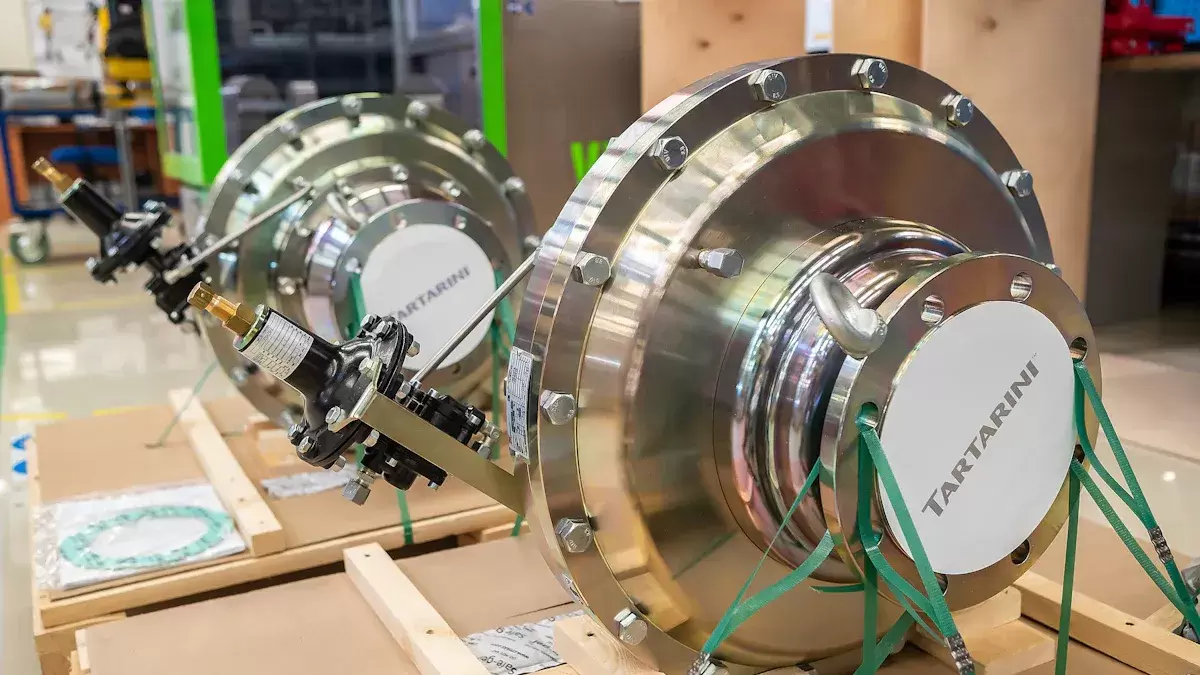
The machining manufacturing process has evolved from traditional subtractive operations into a highly engineered production system. In modern manufacturing, machining is no longer judged solely by dimensional accuracy; it is evaluated by process stability, repeatability, cost efficiency, and long-term reliability.
For industrial suppliers such as Jiangxi Hongdu Preciosion Machinery, machining is treated as a controlled manufacturing methodology—where material behavior, machine dynamics, tooling strategy, and quality assurance are interconnected rather than isolated steps.
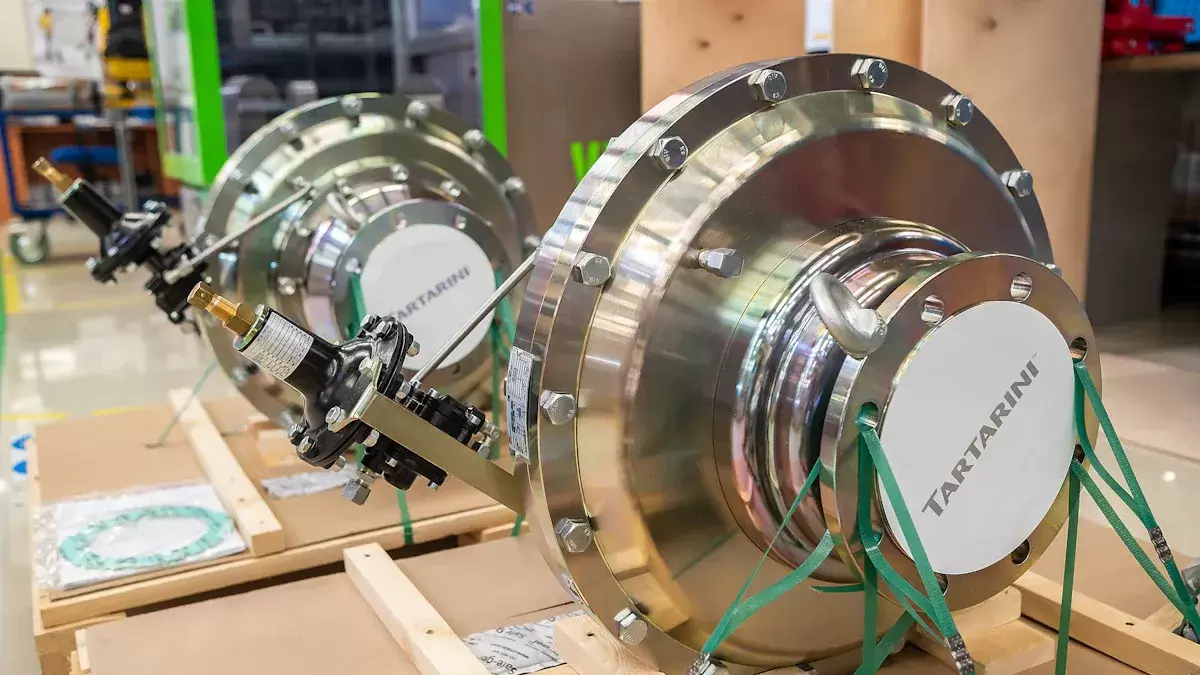
Process Architecture: How Machining Manufacturing Is Structurally Designed
Machining Is a Planned Sequence, Not a Single Operation
A professional machining manufacturing process is structured around process architecture, which defines:
Feature machining order
Datum references and repositioning logic
Roughing versus finishing separation
Tolerance flow control
Incorrect architecture often leads to part deformation, tolerance drift, or excessive rework, regardless of machine accuracy.
Design for Machinability (DFM)
Early involvement in DFM allows manufacturers to reduce unnecessary tight tolerances, avoid tool access issues, and shorten cycle time. Jiangxi Hongdu Preciosion Machinery emphasizes DFM review before production to ensure the machining process supports both design intent and manufacturability.
Material Behavior and Its Impact on the Machining Manufacturing Process
Material Selection Is a Machining Decision
Different materials respond very differently under cutting forces, heat, and vibration. Common considerations include:
-
Carbon and alloy steels: strength vs. tool wear
-
Stainless steels: work hardening and heat control
-
Aluminum alloys: chip evacuation and surface finish
-
Copper alloys: tool adhesion and speed optimization
Each material requires a tailored machining strategy rather than standardized parameters.
Pre-Machining Conditioning
Stress relief, annealing, or normalization may be required to stabilize internal stresses. Without these steps, even high-end CNC equipment cannot guarantee dimensional consistency.
Core Machining Operations and Process Control
CNC Turning and Milling as Process Systems
CNC turning and milling are not isolated processes but coordinated systems involving:
-
Machine rigidity and axis accuracy
-
Tool geometry and coating selection
-
Cutting parameter optimization
-
Thermal deformation control
Multi-axis machining significantly reduces setup errors and improves feature-to-feature accuracy.
Tooling Strategy and Wear Management
Tool wear directly affects surface integrity and dimensional accuracy. A mature machining manufacturing process includes:
Predictive tool life management
Insert grade optimization
Cutting force monitoring
At Jiangxi Hongdu Preciosion Machinery, tooling data is continuously analyzed to maintain process consistency over long production runs.
Surface Integrity: The Often Overlooked Machining Variable
Surface integrity goes beyond roughness values. It includes:
Residual stress distribution
Microstructural alteration
Burr formation and edge condition
For components used in load-bearing or fatigue-sensitive applications, improper surface control can lead to premature failure—even if dimensions meet specifications.
Secondary Operations and Process Integration
Machining manufacturing processes often integrate secondary steps such as:
-
Precision grinding for tight tolerances
-
Honing for sealing surfaces
-
Heat treatment for mechanical performance
-
Surface coatings for corrosion or wear resistance
Process integration ensures these steps complement, rather than compromise, the machined geometry.
Quality Assurance Embedded in the Machining Manufacturing Process
In-Process Control Over Final Inspection
Modern machining emphasizes in-process quality control, including:
Real-time dimensional sampling
Tool offset compensation
SPC-based trend analysis
Final inspection alone cannot correct upstream process instability.
Measurement and Traceability
Advanced inspection equipment such as CMMs, roundness testers, and surface profilometers ensures compliance with geometric dimensioning and tolerancing (GD&T) requirements. Full traceability supports export compliance and customer audits.
Cost Efficiency Through Process Optimization
A refined machining manufacturing process reduces cost by:
Minimizing unnecessary finishing operations
Reducing setup changes
Extending tool life
Improving first-pass yield
Precision manufacturing is not about over-processing—it is about controlled accuracy where it matters.
Industrial Applications Requiring Advanced Machining Manufacturing
High-level machining processes are essential in industries such as:
Power transmission and heavy equipment
Automotive and new energy systems
Industrial automation components
Precision mechanical assemblies
Each sector imposes different constraints on tolerance, surface condition, and production volume.
Conclusion: Machining Manufacturing as a Strategic Capability
The machining manufacturing process is a strategic manufacturing capability, not a commodity service. Manufacturers like Jiangxi Hongdu Preciosion Machinery demonstrate that competitive advantage comes from process control, engineering discipline, and continuous improvement, rather than equipment alone.
As component designs become more complex and global quality expectations rise, a well-engineered machining manufacturing process remains fundamental to industrial success.

 English
 Arabic
 French
 Spanish
 Portuguese
 Deutsch
 Turkish
 Dutch
Dutch
 Italiano
 Russian
 Romaian
 Portuguese (Brazil)
 Greek
Greek
 日本語
日本語
 한국어
한국어
 繁体中文
繁体中文