

The 12 String Acoustic Auditorium Harp Guitar: A Musical Marvel
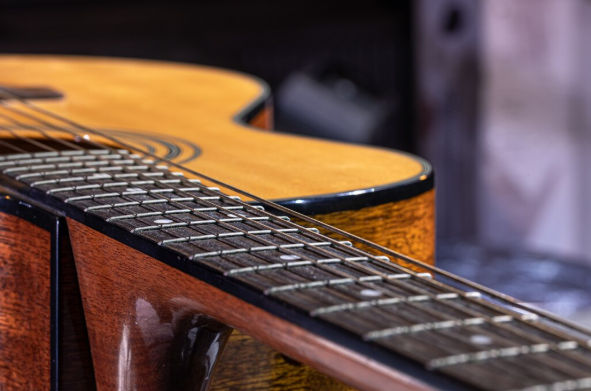
In the vast world of stringed instruments, the 12 string acoustic auditorium harp guitar stands out as a truly unique and captivating creation. Combining the rich resonance of a 12-string guitar with the extended tonal possibilities of a harp guitar, this instrument has become a favorite for musicians seeking both depth and versatility in their performances. Whether you are a professional guitarist or an enthusiastic hobbyist, exploring the features and capabilities of the 12-string acoustic auditorium harp guitar can open up new horizons for your music.
Understanding the 12 String Acoustic Auditorium Harp Guitar
At its core, the 12-string acoustic auditorium harp guitar is an amalgamation of two traditional instruments: the 12-string acoustic guitar and the harp guitar. The standard 12-string guitar is celebrated for its bright, jangly sound, created by the pairing of six courses of strings, usually tuned in octaves or unisons. This produces a fuller, richer sound than a typical six-string guitar. Meanwhile, the harp guitar incorporates additional unstopped strings, often called harp or sub-bass strings, which resonate sympathetically or can be plucked separately. Together, these elements make the 12-string acoustic auditorium harp guitar a powerhouse of musical possibilities.
One of the primary appeals of this instrument is its auditorium body shape. Unlike dreadnoughts or jumbo guitars, the auditorium shape provides a balanced tonal response with enhanced clarity in both the bass and treble frequencies. This design is ideal for fingerstyle playing, which is often employed on harp guitars to take full advantage of the instrument's extended range.
The Anatomy of a 12 String Acoustic Auditorium Harp Guitar
To truly appreciate the 12-string acoustic auditorium harp guitar, it is important to understand its anatomy. This instrument typically features:
- Twelve primary strings arranged in six courses, tuned in octaves or unisons. These strings provide the lush, shimmering tone that defines the 12-string sound.
- Additional harp strings, which can range from four to ten extra strings depending on the model. These strings are generally positioned off the main fretboard and can be used to play bass lines or create harmonic textures.
- Auditorium-shaped body, designed for balanced sound projection and comfortable playability.
- High-quality tonewoods, often including spruce or cedar tops for resonance, and rosewood or mahogany backs and sides for warmth and depth.
- Extended neck or secondary fretboard, in some designs, to accommodate the extra strings while maintaining ergonomic comfort for the player.
This combination of features gives musicians a broader sonic palette than a standard guitar, enabling them to explore complex chord voicings, harmonics, and melodic lines simultaneously.
Why Musicians Choose the 12 String Acoustic Auditorium Harp Guitar
There are several reasons why the 12-string acoustic auditorium harp guitar has captured the attention of modern musicians:
- Expanded Range: The addition of harp strings adds bass notes and sympathetic resonance that a traditional 12-string guitar cannot achieve. This makes it perfect for solo performers who want to create the impression of a full ensemble.
- Versatility in Playing Styles: The instrument excels in fingerstyle, classical, folk, and even contemporary music. Musicians can pluck harp strings for rhythmic bass accompaniment while simultaneously playing melodies or chords on the main fretboard.
- Rich Tonal Texture: The combination of the 12-string courses and additional harp strings creates a rich, layered sound. The harmonic overtones produced by this instrument are especially desirable in acoustic recordings and live performances.
- Visual Appeal: Beyond its sound, the 12-string acoustic auditorium harp guitar is visually striking. Its extended body and extra strings make it a centerpiece on stage, adding a sense of artistry and uniqueness to any performance.
- Innovation and Creativity: Composers and arrangers often turn to this instrument to explore uncharted musical territory. Its wide range and harmonic possibilities encourage experimentation and creativity, allowing musicians to craft distinctive arrangements.
Techniques for Playing the 12 String Acoustic Auditorium Harp Guitar
Playing the 12-string acoustic auditorium harp guitar requires both skill and patience. The additional strings, while opening new musical avenues, also demand precise technique and finger coordination. Here are some tips for mastering this instrument:
- Fingerstyle Mastery: Because harp guitars are often played fingerstyle, developing independence in your thumb and fingers is crucial. Practicing arpeggios and fingerpicking patterns on the main strings and harp strings will improve dexterity.
- Muting Techniques: With extra strings comes the challenge of unwanted sympathetic vibrations. Learning palm muting and string damping techniques helps maintain clarity in complex passages.
- Chording Strategies: Traditional guitar chords may need to be adapted to accommodate the extra strings. Exploring alternate tunings and chord inversions can maximize the harmonic richness of the instrument.
- Harmonic Exploitation: Many harp guitars are capable of natural and artificial harmonics. Using these effectively adds shimmer and ethereal qualities to your music.
- Bass Lines and Melody Separation: One of the most rewarding aspects of the 12-string acoustic auditorium harp guitar is its ability to play independent bass lines with the harp strings while maintaining a melody on the main fretboard. Practicing independence between the two is key to harnessing the instrument’s full potential.
Applications in Music Genres
The 12-string acoustic auditorium harp guitar has found its place in various musical contexts:
- Folk and Americana: Its resonant and vibrant tone makes it a natural fit for folk music, where layered textures and rhythmic bass are highly valued.
- Classical and Contemporary Fingerstyle: Modern fingerstyle guitarists often use harp guitars to expand their sonic palette, creating compositions that sound orchestral.
- Jazz and Experimental Music: The instrument’s extended range allows jazz musicians to explore complex chord voicings and contrapuntal textures that are difficult to achieve on a standard guitar.
- Recording and Sound Design: Its rich overtones and harmonic complexity make it a favorite in studio settings for atmospheric or cinematic soundscapes.
Caring for Your 12 String Acoustic Auditorium Harp Guitar
Maintaining the 12-string acoustic auditorium harp guitar is essential to preserve its sound quality and longevity:
- Regular Tuning Checks: With more strings, tuning stability is crucial. Investing in a high-quality tuner and checking tuning before each performance ensures consistent sound.
- Humidity Control: Acoustic instruments are sensitive to humidity. Keeping the guitar in a stable environment prevents warping and cracking.
- String Replacement: Given the higher number of strings, changing them regularly prevents tone dullness and reduces stress on the neck.
- Professional Setup: Due to its complexity, occasional professional setups are recommended to adjust action, intonation, and truss rod tension.
Conclusion
The 12 string acoustic auditorium harp guitar is more than just an instrument; it is a bridge between tradition and innovation. Its unique combination of a 12-string guitar’s rich resonance and the harp guitar’s extended range provides musicians with unparalleled expressive possibilities. Whether for performing, composing, or recording, this instrument inspires creativity and offers a truly immersive musical experience. For any guitarist looking to elevate their sound, the 12-string acoustic auditorium harp guitar represents both a challenge and a reward—a gateway to a world of harmonic richness and sonic beauty.
Embracing this instrument opens doors to musical exploration that few other guitars can offer, making it an invaluable addition to the toolkit of any serious musician. From its balanced auditorium body to its extra harp strings, every aspect of this guitar is designed to inspire artistry and elevate the craft of playing.

 English
 Arabic
 French
 Spanish
 Portuguese
 Deutsch
 Dutch
Dutch
 Italiano
 Russian
 Romaian
 Portuguese (Brazil)
 Greek
Greek
 简体中文
简体中文
 日本語
日本語
 한국어
한국어
 繁体中文
繁体中文