

Minimally Invasive Spinal Stenosis Treatment: What Patients Need to Know
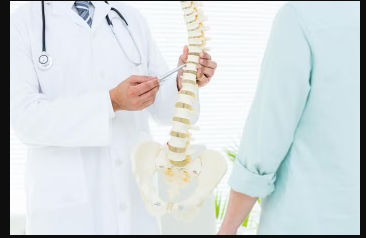
Spinal stenosis—the narrowing of the spinal canal that compresses nerves—is a common source of chronic back and leg pain, especially in adults over 60. Traditional open‑back surgeries have been effective, but they often involve large incisions, significant muscle dissection, and lengthy hospital stays. In recent years, minimally invasive techniques have emerged as a compelling alternative, offering comparable relief with far less tissue trauma.
The most frequently performed minimally invasive procedures include micro‑decompression, endoscopic foraminotomy, and percutaneous spinal fusion using tubular retractors or laser‑assisted tools. Through a small skin incision (often less than 2 cm), surgeons can remove bone spurs, thickened ligaments, or disc material that are pressing on the nerves while preserving the surrounding musculature. This approach reduces blood loss, lowers the risk of infection, and typically results in a quicker return to normal activities—many patients are discharged the same day or after an overnight stay.
Patients considering these options should discuss several key points with their spine specialist:
- Eligibility – Minimally invasive surgery is most suitable for localized stenosis without extensive spinal instability or severe deformity. Imaging studies (MRI, CT) help determine whether a limited decompression will suffice.
- Expected outcomes – Clinical studies show pain‑score reductions of 40‑60 % and functional improvement in 70‑80 % of appropriately selected patients, often within the first few weeks after surgery.
- Potential risks – Although the complication rate is lower than with open surgery, risks still include nerve injury, dural tears, or incomplete symptom relief that may require a second procedure.
- Recovery timeline – Most patients can begin gentle walking and light activities within 24‑48 hours, with formal physical‑therapy guidance starting about one week post‑op. Full return to demanding work or sports usually occurs within 6‑8 weeks, depending on individual healing.
Finally, a successful outcome hinges on realistic expectations and active participation in postoperative rehabilitation. Patients should maintain a healthy weight, engage in core‑strengthening exercises, and avoid smoking to support spinal health. By understanding the benefits, limitations, and commitment required, individuals with spinal stenosis can make an informed decision about whether a minimally invasive approach aligns with their pain‑relief goals and lifestyle. Visit - Spinal Stenosis Treatment NYC

 English
 Arabic
 French
 Spanish
 Portuguese
 Deutsch
 Turkish
 Dutch
Dutch
 Russian
 Romaian
 Portuguese (Brazil)
 Greek
Greek
 简体中文
简体中文
 日本語
日本語
 한국어
한국어
 繁体中文
繁体中文